Foto von: Katie Pietrowski Photography
Seien Sie authentisch
Dies könnte die herausforderndste Variable sein. Unser Ego drängt uns dazu, in Weisen zu denken und zu handeln, die nicht unbedingt in unserem besten Interesse sind. Seien Sie ehrlich zu Ihren Fähigkeiten. Wenn Sie derzeit einem Squat-Zyklus basierend auf Prozentzahlen folgen, verwenden Sie Zahlen, die von Ihrem letzten Maximum (innerhalb der letzten drei Monate) extrapoliert sind. Verwenden Sie keine Zahlen, die auf dem Maximum basieren, das Sie erreichen möchten. Wenn Sie nicht getestet haben, bevor Sie mit dem Squat-Zyklus beginnen, testen Sie und wissen Sie, wo Sie derzeit stehen.
Authentizität gilt auch für Lebensstilfaktoren sowie für die Bewegungsqualität. Wenn Sie nicht richtig schlafen, werden Sie aus Ihren Bemühungen nicht den gleichen Fortschritt erzielen. Wenn Sie nicht essen, um Ihre Aktivitätslevel oder Ziele zu unterstützen, kann es sein, dass kein Fortschritt erzielt wird. Stresslevel durch die Decke? Ihr Körper kann nur so viel Stress bewältigen, bevor er implodiert oder herunterfährt. Denken Sie daran: Bewegung ist ein mechanischer Stress und muss in die gesamte Gleichung einbezogen werden. Jeder hat die Fähigkeit, unterschiedliche Stresslevel zu tolerieren. Es ist keine Einheitsgröße für alle Formel.
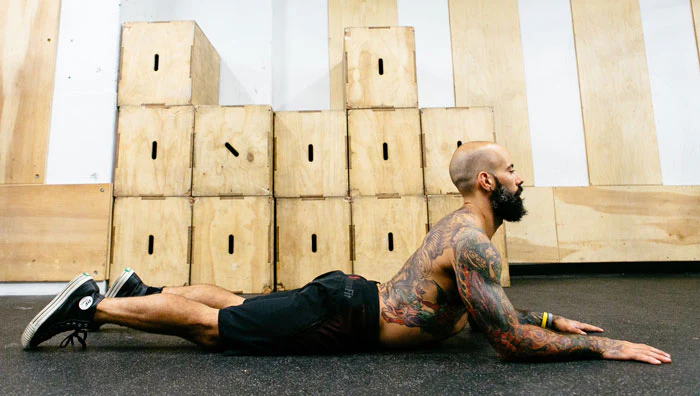
Können Sie Ihre Arme über Kopf erreichen, ohne Ihren Brustkorb zu heben, oder „faken“ Sie die Mobilität? Der gesunde Menschenverstand sagt mir, dass es möglicherweise keine sichere Idee ist, mit Ihrem vollen Press-Brücke zu arbeiten, bis Sie angemessene Bewegungsbereiche der Schulter- und Brustkorb-Mobilität erreicht haben – oder Sie riskieren, auf Ihren Kopf zu fallen. Nochmals, übernehmen Sie die Verantwortung und beheben Sie die Dinge, über die Sie Kontrolle haben. Denken Sie daran: „Ihr Ego ist nicht Ihr Freund.“
Machen Sie Ihre Hausaufgaben
Ihre Hausaufgaben können beinhalten, pünktlich zu erscheinen und Ihre reguläre Trainingseinheit zu absolvieren. Aber ich beziehe mich nicht nur auf das Sammeln von Sätzen und Wiederholungen von Übungen oder 400 m Laufwiederholungen. In diesem Fall beziehe ich mich darauf, Ihre Grundlagen zu verbessern. Grey Cook, MSPT, hat gesagt: „Zuerst gut bewegen, dann oft bewegen.“ Priorisieren Sie die Schaffung von Gleichgewicht in Ihrem Körper. Viele von uns haben Haltungsabweichungen, verspannte Muskeln oder Kraftungleichgewichte aus Jahren des Wettkampfsports oder aus Jahren des Sitzens am Schreibtisch, um eine Karriere aufzubauen. Der Körper ist eine erstaunliche Maschine und wird einen Weg finden, in Positionen oder Bewegungen stark zu werden, die häufig genutzt werden. Widmen Sie jeder Trainingseinheit Zeit, um Ihre Squat-Mobilität, Ihre Überkopfposition zu verbessern oder einen (oft) unterbewerteten Kern neu zu mustern und zu stärken. Ich weiß, dass diese Dinge nicht so viel Spaß machen, wie schwere Dinge aufzuheben oder eine neue Calisthenics-Bewegung zu erlernen, aber ohne angemessene und ausgewogene Bewegung werden Sie möglicherweise nie Ihre Ziele erreichen. Schlimmer noch, Sie könnten eine bevorstehende Verletzung auf dem Weg beschleunigen.
Lernen Sie die Anpassungsrate Ihres Körpers
Die Fähigkeit, auf Training zu reagieren, kann in zwei Kategorien vereinfacht werden: Sind Sie ein schneller Adapter oder ein langsamer Adapter? Ein langsamer Adapter ist eine Person, die mehr Geduld mit ihrer Reise haben muss. Wenn Sie ein schneller Adapter sind, herzlichen Glückwunsch! In gewissem Maße haben Sie im genetischen Lotto gewonnen. Schnelle Adapter können sich eine neue Bewegung ansehen und sie fast fehlerfrei in ihren ersten Versuchen duplizieren – vorausgesetzt, sie haben angemessene Kraft- und Mobilitätsniveaus. Langsame Adapter benötigen möglicherweise Wochen des richtigen Musterns, bevor sie ein gewisses Maß an Kompetenz erreichen. Sie werden Ihre Anpassungsrate auf Ihrer Reise durch Versuch und Irrtum lernen. Wenn Sie schnell anpassen, konzentrieren Sie sich weiterhin auf die Grundlagen, um Langlebigkeit und Haltbarkeit zu fördern. Wenn Sie ein langsamer Adapter sind, seien Sie nicht zu hart zu sich selbst und fallen Sie auf keinen Fall in die Falle, sich mit anderen zu vergleichen. Umarmen Sie die Reise, auf der Sie sich befinden. Es könnte einfach länger dauern, Stärke aufzubauen oder neue Fähigkeiten im Vergleich zu einigen Ihrer Kollegen zu entwickeln.