This is the second part of a two-part series about top tips for trainers working with expecting mamas. In part one, we covered the first 3 tips for training pregnant women, and today we take a look at three more important points of advice for coaching women during pregnancy.
- While each client’s needs will be individual, know what to look watch out for with exercise choices for pregnant women. Each pregnant woman will have her own limitations, but there are some common issues to watch for with your prenatal clients, such as Diastasis Recti or DR. DR is a separation between the right and left sides of the rectus abdominis muscle that affects approximately two-thirds of pregnant women. Unfortunately, most will not know that they have this problem, and most trainers do not know what to do about it.
Early in my pregnancy, I noticed that my belly was “coning” when I performed exercises like push-ups and planks—even though those are commonly recommended moves for pregnant women. After doing my own research, I realized that this was a sign of DR. When I mentioned this to my doctor, he told me not to worry about it since there was nothing I could do to fix it until after I had the baby. While my research confirmed I could not fix the problem during pregnancy, it also revealed that I could prevent making the problem worse by avoiding certain exercises.
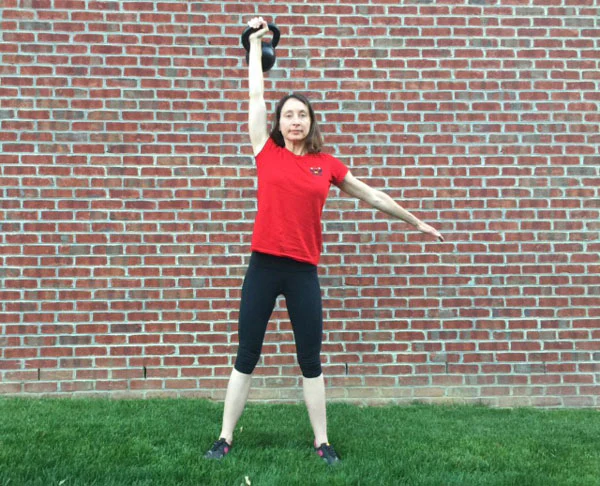
When working with an expecting mom, assess her for DR several times as her pregnancy progresses. Avoid incorporating exercises in your programming that strain or twist the abdominals which can worsen the abdominal separation. Examples of exercises to avoid are: the get-up, windmill, push-ups, and traditional core exercises such as standard planks, sit-ups, crunches, Russian twists, v-ups, leg raises, etc. Additionally, clients should steer clear of exercises that create a risk of falling, such as box jumps. They may also not feel comfortable doing other “jumping” exercises like jumping jacks or jump rope, since these movements can cause increased pressure on the bladder.