**
**
Bildung, Training und Zertifizierung sind kostspielige Angelegenheiten. Ausbildungzertifikate können mehrere Tage dauern und kosten leicht mehrere Tausend Dollar – ganz zu schweigen von den Kosten für die Zeit, die Sie von Ihrem Geschäft und Ihrer Familie abwesend sind, den Transport zur und von der Zertifizierung, Hotels und anderen zusätzlichen Ausgaben. Wenn Sie also Ihr hart verdientes Geld in eine Zertifizierung investieren, muss es sich auf jeden Fall lohnen! Ich spreche nicht davon, Ihre anfängliche Investition zurückzubekommen, sondern davon, die Kosten mehrfach zurückzubekommen. Mit diesen Parametern im Hinterkopf macht es Sinn, zweimal über die Suche nach zusätzlichen Zertifizierungen nachzudenken.
Welche Zertifizierung sollte ich besuchen?
Wie filtern Sie all die Zertifizierungen da draußen, um die zu finden, die Sie: a) sich leisten können, b) Ihnen ermöglichen, Ihre anfängliche Investition mehrfach zurückzubekommen, und c) Ihnen Informationen bieten, die Ihren Athleten heute und morgen zugutekommen?
Berücksichtigen Sie diese Punkte vor der Teilnahme:
- Standort
- Ausbilder
- Zertifizierungsorganisation
- Status der Qualifikation
- Inhalt
- Können Sie die Techniken, Tipps, Korrekturen, Regressionen und Progressionen anwenden?
- Passt die Zertifizierung zu den Fähigkeiten und Zielen Ihrer Klientel?
- Können Sie sofort anwenden, was Sie bei der Zertifizierung gelernt haben, bei Ihren aktuellen Klienten?
- Bietet die Zertifizierung umsetzbare Inhalte oder ist sie zu spezialisiert, obskur oder fortgeschritten für Ihre aktuellen (oder zukünftigen) Klienten?
Obwohl all diese Kriterien wichtig zu berücksichtigen sind – und eine Rolle im Entscheidungsprozess spielen sollten – was ist das Wichtigste, das zu beachten ist? Über all diese Überlegungen hinaus sollte der Inhalt des Kurses und wie er auf Ihre Klienten zutrifft, im Vordergrund stehen.
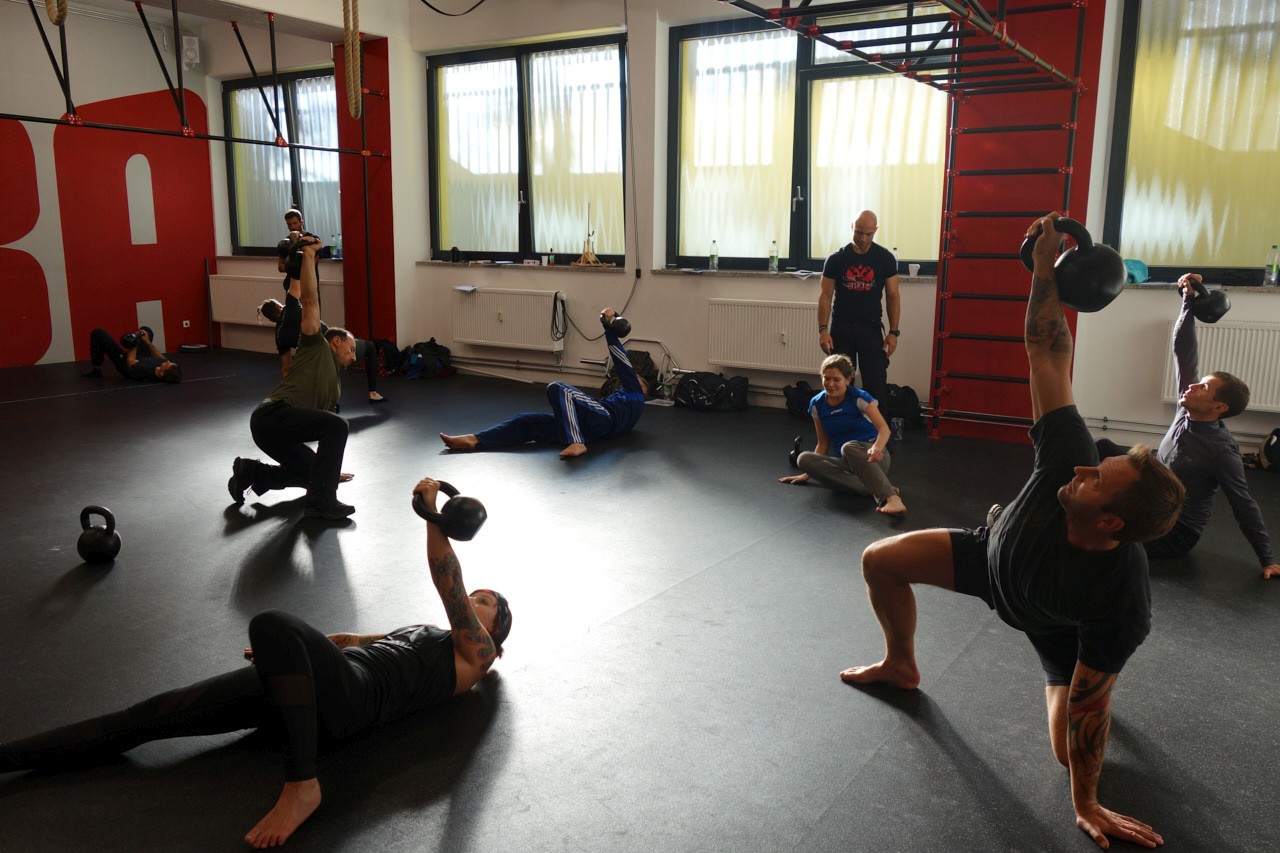
Eine gute Zertifizierung wird Ihnen achtzig bis hundert Prozent umsetzbares Material bieten. Das ist ein ziemlich hoher Prozentsatz, aber es zeigt auch, dass die Zertifizierung fokussiert ist und nicht nur Stunden mit „Fluff“ oder nutzlosem Inhalt bietet. Es zeigt auch die Reife des Inhalts, des Ausbilders und der dahinterstehenden Organisation. Ein ideales Zertifizierungsseminar wird wenig bis keine Zeitverschwendung haben, und die Mehrheit der Zeit wird mit Training und praktischer Arbeit verbracht, um die gelehrten Prinzipien und Techniken zu verstärken.
Eine schlechte Zertifizierung wird Ihnen sehr wenig umsetzbares Material bieten; weniger als fünfzig Prozent umsetzbar und ein hoher Prozentsatz an Theorie, Vermutungen und Anekdoten. Diese Zertifizierungen sind „persönlichkeitsgetrieben“ und bestehen oft nur aus einer Handvoll Tipps. Die verbleibende Zeit wird oft damit verbracht, Geschichten und Fluff zu hören, um die Zeit zu füllen.
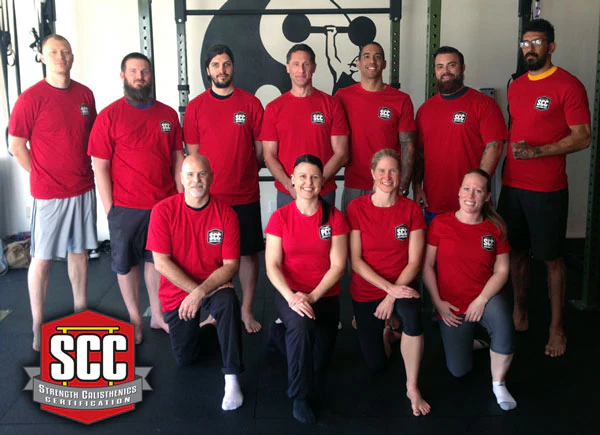
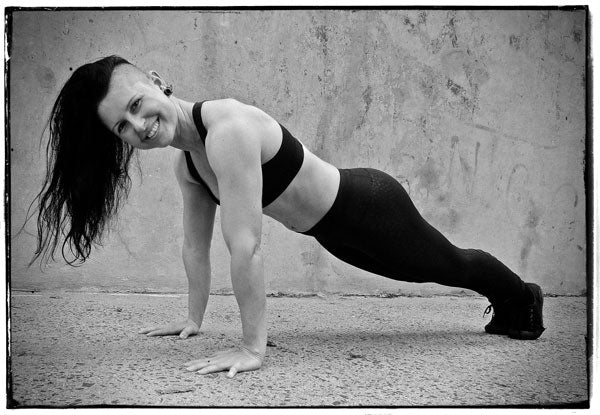
Neben dem RKC und PCC sind zwei Beispiele für hervorragende eintägige Zertifizierungen, die nahezu hundert Prozent umsetzbares Material bieten, die HKC (Hardstyle Kettlebell Zertifizierung) und die SCC (Strength Calisthenics Zertifizierung). Beide Zertifizierungen sind äußerst leistungsstark und bieten den Teilnehmern einen hohen Prozentsatz an umsetzbarem Material, das sie sofort bei ihren aktuellen (und zukünftigen) Klienten anwenden können.
Fokus auf die HKC
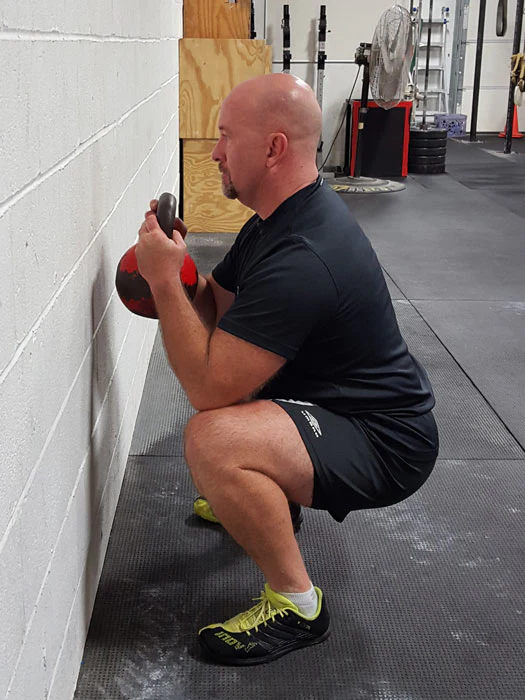
Die HKC konzentriert sich auf eine sehr präzise Anzahl von Kerntechniken; den Kettlebell Swing, den Kettlebell Goblet Squat und das Get-Up. Diese drei Techniken sind einzeln sehr kraftvoll, aber zusammen verändern sie das Spiel für Athleten aller Niveaus und Klienten jeder Art.
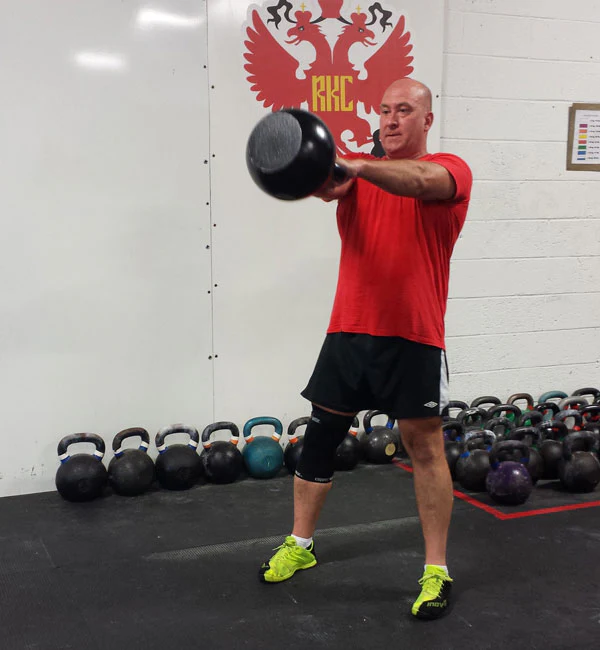
Der Kettlebell Swing ist die grundlegende ballistische Technik des Hardstyle Kettlebell Trainings. Er ist die Basis, auf der alle ballistischen Techniken aufgebaut sind. Fehler und schlechte Gewohnheiten beim Swing werden auf alle anderen Ballistiken übertragen, daher ist es unerlässlich, dass der Swing solide und grundlegend ist. Der Swing hat eine enorme Übertragbarkeit auf den Sport und ist ein erstaunliches Trainingswerkzeug. Der Swing trainiert und lehrt den Athleten, wie man Explosivität in Bewegungen hinzufügt. Er „füllt die Lücken“ im Kraft- und Konditionierungsprogramm jedes Klienten.