The Road to Rio
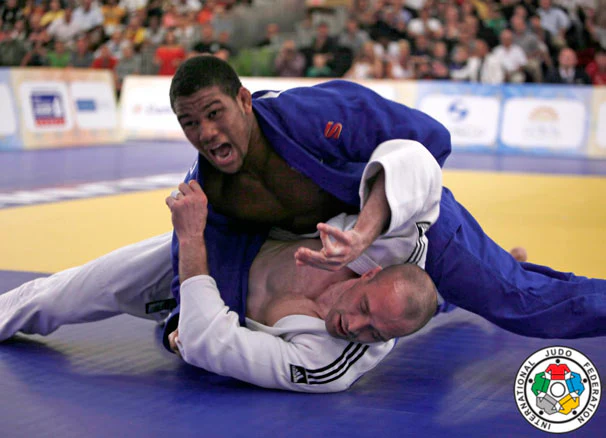
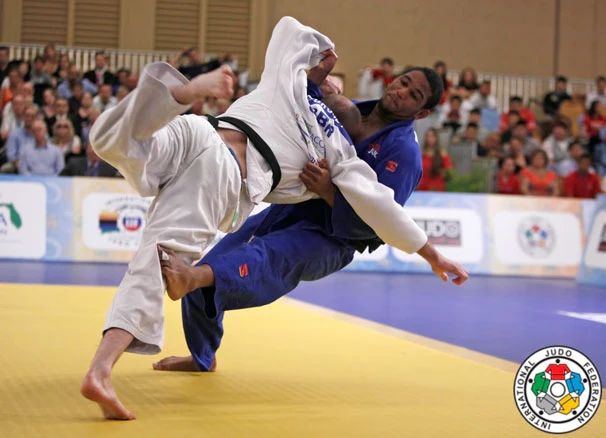
In April 2014, Colton won his third consecutive title at the National Collegiate Judo Championships and continued to establishing himself as the one of the best Judo players in the USA. Shortly after, the Olympic qualification period began in May 30, 2014 and lasted until May 30, 2016. Prior to qualification, we made sure to build a solid base of strength. With more travel, we adjusted the volume of Colton’s program while he competed all over the world.
The World Tour is tough on Judo athletes. It’s stressful, and while they get to see the world, it’s not a vacation. Standing are constantly changing, qualification points are on the line—along with the demands of competing and traveling in vastly different environments all over the world. It’s a grind.
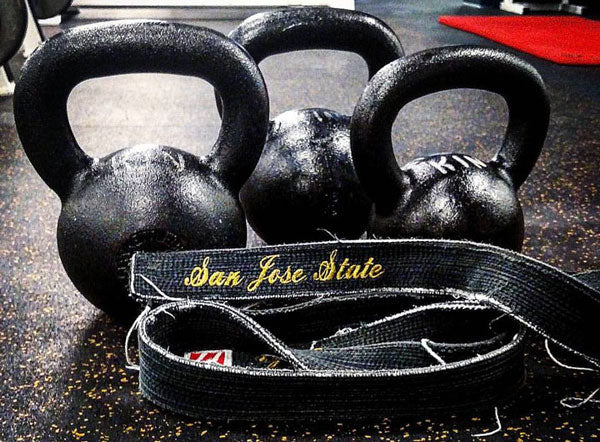
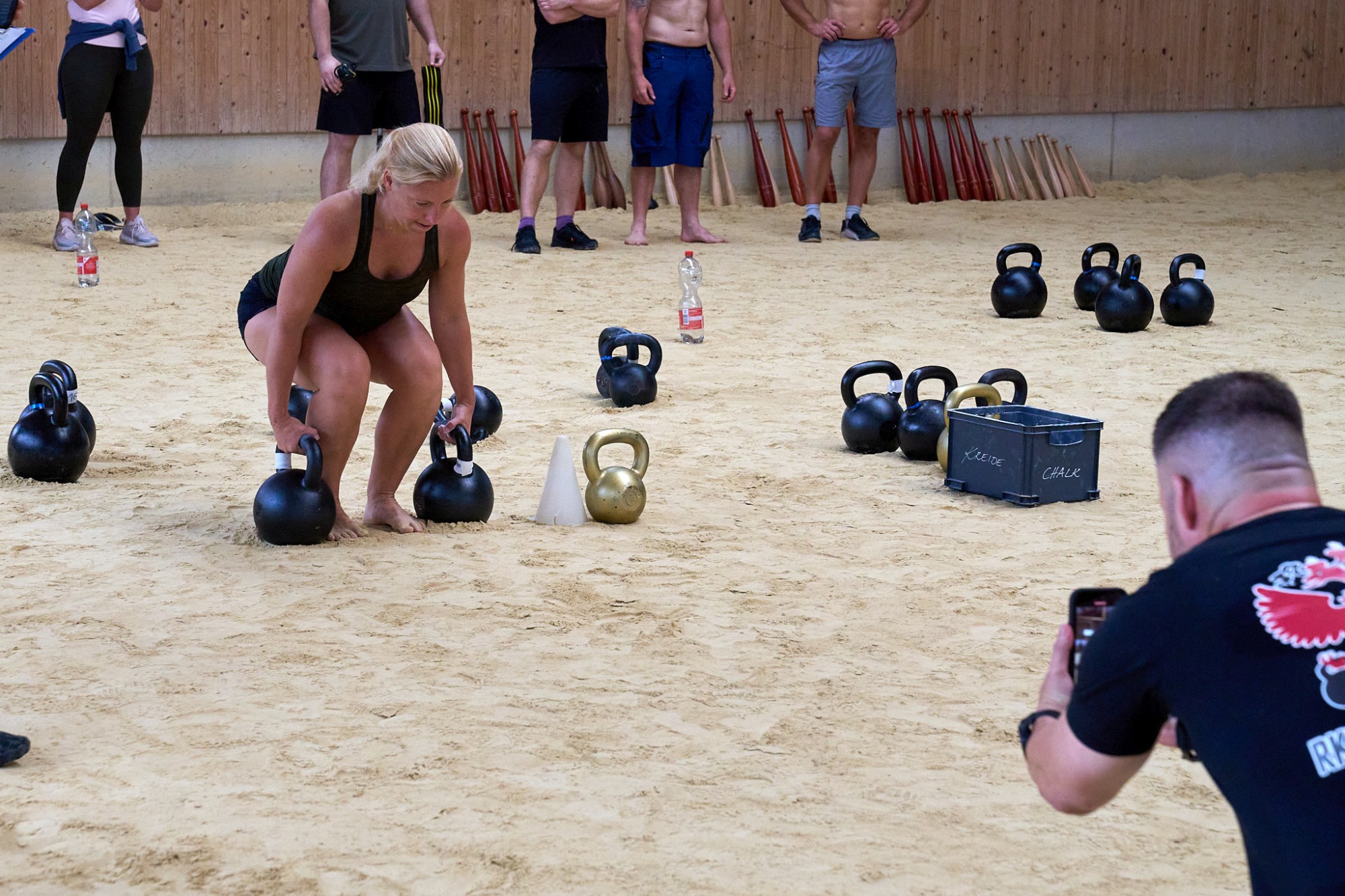
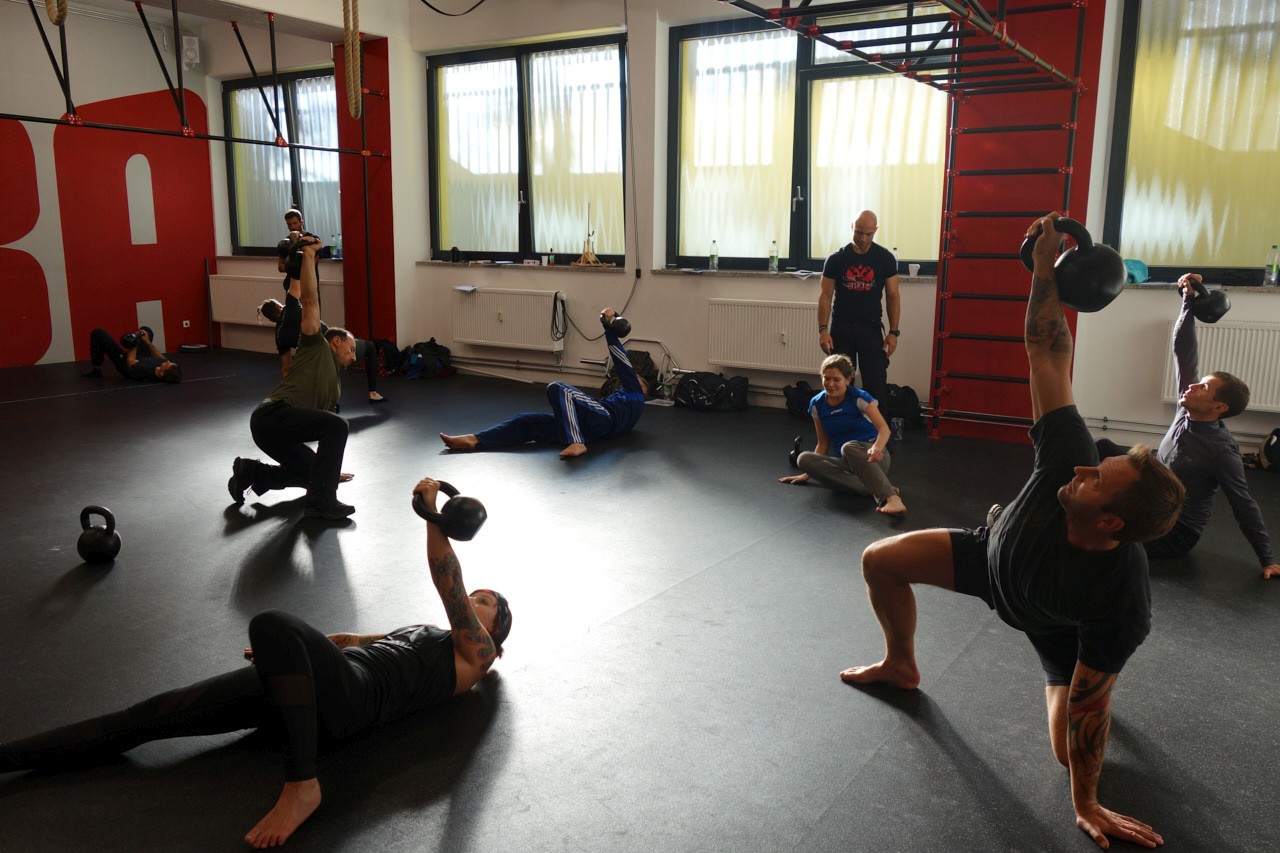
During the two-year qualification period, I added kettlebell training to many of Colton’s workouts. The kettlebell can profoundly benefit elite level Judo athletes. Kettlebell training is one of the most important ingredients in our recipe for success. While I don’t use kettlebells exclusively in my programs, they have proven time and time again to benefit our athletes on the Judo mat. Kettlebell swings may be one of the best movements a Judoka can perform in the weight room. Since adding more swings to Colton’s training sessions in the Spring of 2014, they have remained a staple in his training as a go-to power exercise.
We needed to train Colton to be as strong and healthy as possible to endure the intense training camps and international Judo tournaments. While Colton had less time to train with me, our general programming template remained the same. For the three years we’ve been training, I’ve tried to use as many “big bang for your buck” movements in his training—no matter what tool we use.
Big Bang For Your Buck Movements
- Push (horizontal and vertical)
- Pull (horizontal and vertical)
- Hinge (bilateral and unilateral)
- Squat (bilateral and unilateral)
- Crawling (side to side, forwards, backwards)
- Core training
- Movement in the sagittal, frontal, and transverse planes
Colton’s programs included balanced workouts with a wide variety of exercises with barbells, TRX, medicine balls, dumbbells, and kettlebells. For example, in one workout we would focus on a hinge movement and a pushing movement, then the next workout would feature a squatting movement and a pulling movement. I also included mobility, core training, and accessory movements in every session. Occasionally, we took the training to the beach or park. I think it’s important to include variety in your training and training environment. Another reason I love the kettlebell is you can work out with it almost anywhere.
Making the USA Olympic Judo Team
Colton continued to train relentlessly both on and off the Judo mat during the qualification period. During that time, he won a Gold Medal in the Pan American Open in San Salvador, Silver Medals at the European Open in Glasgow and African Open in Tunis, and placed at many other renowned tournaments throughout the world.
At the prestigious Pan American Championships in Havana, Cuba in May 2016, Colton earned three wins with one loss, capturing a Silver Medal after finishing in fifth-place for the previous two years. Now, Colton will be one of only three men representing the United States Judo Team in Rio De Janeiro this August.
Daily, Colton spends countless hours on the mats perfecting his judo technique, dialing in his nutrition, practicing mental visualization, planning his recovery, and studying his opponents. He also gives his best in every strength and conditioning session.
Kettlebell Swings and the Goblet Squat for Judo Performance
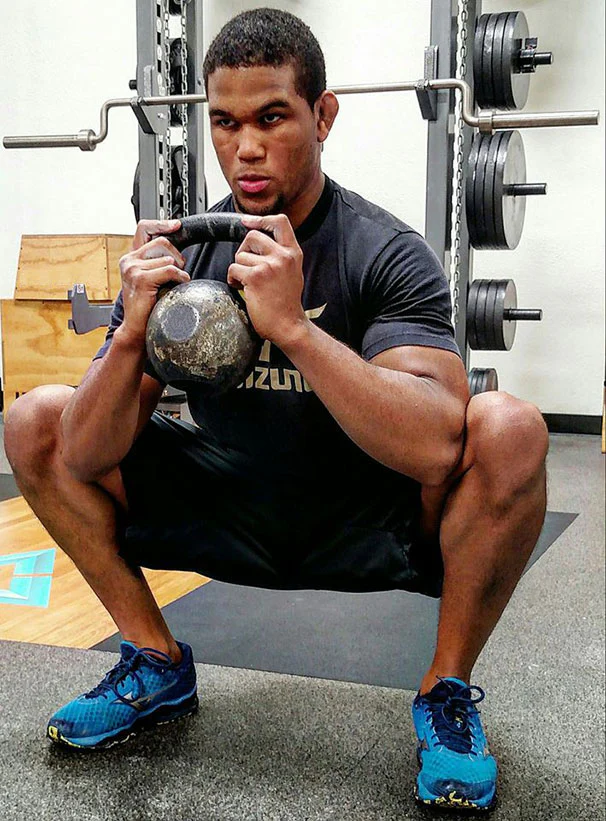
The Goblet Squat
The goblet squat is a staple in almost all of Colton’s strength and conditioning programs for the past two and a half years. Since there’s no true off-season in Judo, I have to be smart about loading him up. While we use other squat variations with the barbell, the goblet squat is our go-to.
Goblet Squat Prying
After a two to three week hiatus due to travel, goblet squat prying was an excellent choice to help open his hips. Flying has a direct physical impact. Sitting can cause the hip flexors and hamstrings to get tight and stiff. It can also take a toll on the spine, hips, and shoulders. Long flights leave your legs tight and your glutes inactive. One of the mobility drills I learned at the HKC is goblet squat prying, and it is incredibly effective for loosening up the hips.
I instruct the athlete to breathe deeply while maintaining their posture. As they begin to loosen up, I will instruct them to go deeper into the squat while wiggling the hips from side to side and in a small figure-8 as taught at the HKC. Alternately, I will instruct them to hold the bottom of the goblet squat position for a count of 10 breaths. We often superset the prying goblet squat with the RKC hip flexor stretch. These two exercises can do wonders for the hips, especially after a long flight. Adding a few sets of mini band activation exercises such as bent knee lateral walks, and mini band glute bridges ensure glute engagement. After opening up the hips, stretching the hip flexors, and turning on the glutes, the athlete is ready for a more productive training session.
The Goblet Squat as a “Mini Screen”
While I’m certified to use the FMS screen and administer it throughout the year, I also use the goblet squat in warm-ups and as a quick daily screen. Goblet squats how me how the athlete is moving during that particular training session. Basic movements like lunges, push ups, and squatting patterns can be used as movement preparation for the training session and as “mini screens”. I want to get a picture of where the athlete is on that given day, along with any flaws or leaks in the movement.
The Goblet Squat as a Teaching Aide
The goblet squat reinforces correct squatting mechanics. Colton’s squatting pattern, squat depth, and mobility immediately improved after adding the goblet squat to his program. The goblet squat is one of the best tools for helping my Judo athletes develop movement competency in the squatting pattern. I’m more confident when progressing them to advanced squatting variations such as barbell front squats, or racked kettlebell front squats.