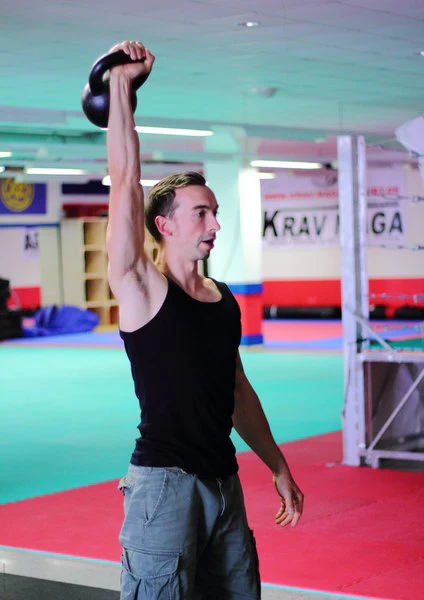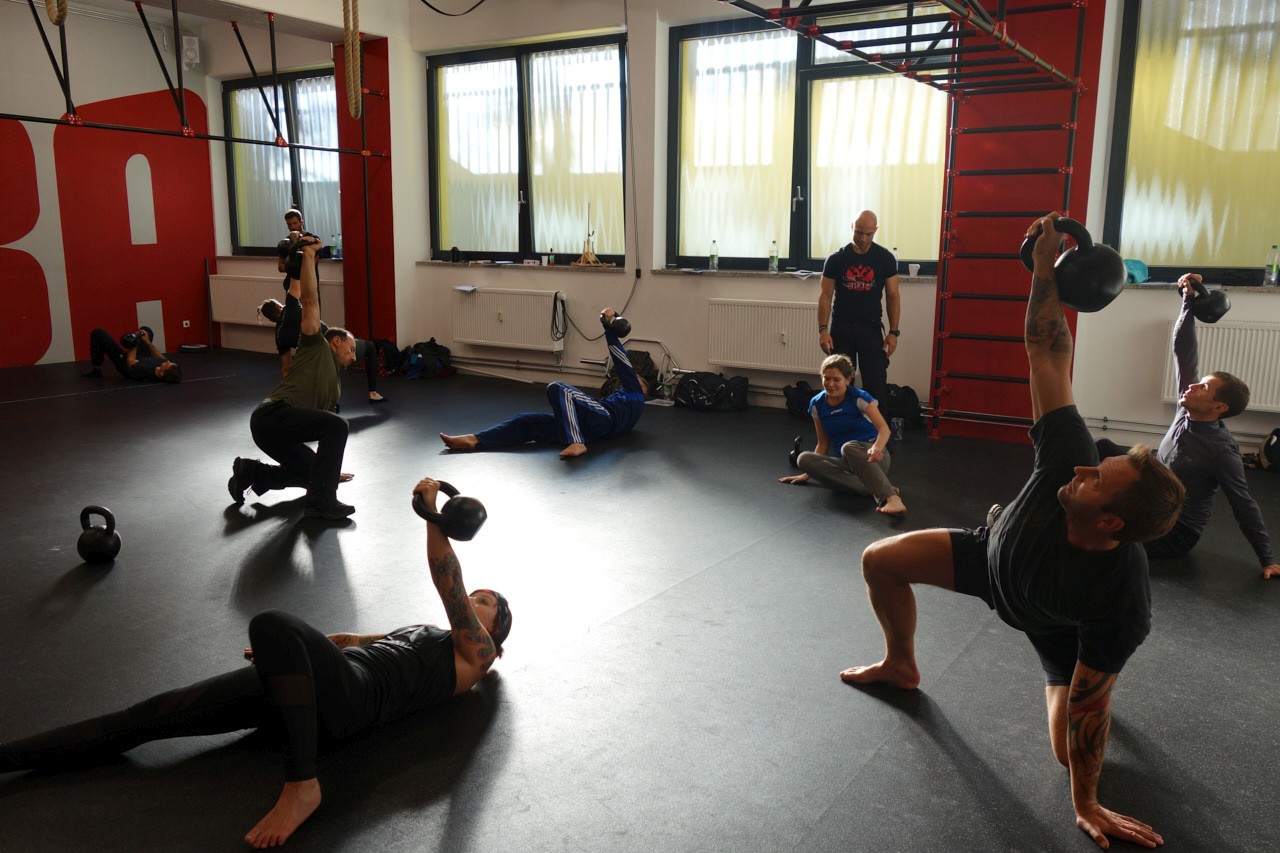
Als ich mit dem Training mit Kettlebells begann und direkt nach einem Anfängerseminar für Kettlebells, war es für mich wirklich frustrierend, nur eine sehr eingeschränkte Anzahl von Übungen für mein Training zu haben.
Ich fragte mich: „Wie kann ich meinen ganzen Körper nur mit diesen wenigen Übungen trainieren?“
Nun, damals hatte ich keinen Schimmer und hatte die „echten“ Kettlebell-Trainingsprinzipien noch nicht gelernt. Ich wurde im Seminar in die Grundlagen eingeführt, aber ich verstand sie nicht vollständig. Es dauerte viel länger, sie zu begreifen.
Also begann ich, alleine zu trainieren, und es dauerte ein Jahr oder länger, bis ich das Kettlebell-Training vollständig verstand und wie ich es wirklich nutzen konnte.
Hier sind vier Dinge, die mir geholfen haben, viel mehr aus meinem Kettlebell-Training herauszuholen:
1. Kraft ist eine Fähigkeit.
„Wie offensichtlich ist dieser Slogan?“ dachte ich, als ich ihn zum ersten Mal hörte. Natürlich ist Kraft eine Fähigkeit, genau wie Ausdauer, Geschwindigkeit und Beweglichkeit. Es hängt auch davon ab, wie fit oder in Form du bist. Warum machen die Leute so ein Aufhebens darum?
„Trainiere mit Kettlebells und du wirst stärker“, dachte ich immer. Aber als ich verstand, dass ich die Fähigkeit „Kraft“ trainieren musste, um stark zu werden, begann ich, die echten Vorteile des Trainings zu erkennen. Ich hörte auf, Sätze und Wiederholungen zu zählen, und begann zu üben, die Bewegungsmuster zu verfeinern. Ich arbeitete daran, meine Technik zu verbessern und auf meinen Körper zu hören, während ich übung.
Ein gutes Beispiel, um diesen „Fähigkeits“-Ansatz zu erklären, ist der Handstand. Wenn ich mit dem Training von Handständen beginnen möchte, kann ich nicht einfach mit der Idee anfangen: „Heute mache ich 3 Wiederholungen von Handständen, bei denen ich 30 Sekunden lang ungestützt in der Mitte eines Raumes stehe“. So funktioniert das nicht. Stattdessen solltest du Handstände üben. Du musst fühlen, was wichtig ist, um einen Handstand zu machen – wann, wo und welche Muskeln eingesetzt werden müssen. Selbst wenn das bedeutet, dass du zu Beginn 20 Versuche von 3 Sekunden gegen eine Wand machst. Wenn du aufmerksam bist, wirst du wissen, wann du aufhören musst, dein Körper wird dir den genauen Moment sagen (und ich meine nicht totalen Muskelversagen).
Es ist dasselbe mit Kettlebell-Kraftübungen. Wenn du deine Kraft effizient verbessern möchtest, musst du zuerst die Bewegung selbst beherrschen. Wenn du gelernt hast, was und wann du anspannen musst und wie sich dieses Bewegungsmuster mit einem bestimmten Gewicht anfühlt, ist es einfach, Kraft zu entwickeln. Wenn du ein Gewicht nicht drücken kannst, bedeutet das, dass du diese Bewegung nur mit leichteren Gewichten üben darfst.
2. Qualität vor Quantität.
Qualität vor Quantität zählt besonders beim Üben. Sobald du eine Bewegung mit Gewichten gemeistert hast, sollte die Bewegungsqualität immer im Vordergrund stehen. Wenn dir die Quantität wichtiger ist, werden Wiederholungen und Sätze immer wichtiger für dich sein als die Qualität der Bewegung und die Körperwahrnehmung.
Wenn du 1 Satz mit 10 Wiederholungen mit perfekter Technik machst, gefolgt von 2 Sätzen mit 10 miserablen Wiederholungen, nur um auf 30 Wiederholungen zu kommen, was wird dein Körper aus dieser Einheit lernen?
Ich sage es dir. Dein Körper wird wirklich gut darin, sich durch Routinen zu zwingen. Egal, ob er hier oder da kompensieren muss, im Laufe der Zeit wird das fehlerhafte Muster verstärkt. Leider sieht man das genau bei vielen Freizeitsportlern. Dieser Quantitätsansatz funktioniert, bis die unvermeidliche Verletzung eintritt, und dann ist es zu spät.
Was der Kopf befiehlt, wird der Körper immer ausführen!
Also, übe und trainiere klug. Qualität ist König!
3. Kettlebell-Training trainiert den gesamten Körper.
Zunächst dachte ich immer, dass viele verschiedene Übungen notwendig sind, um den ganzen Körper ideal zu trainieren. Deshalb war ich nach meinem Anfängerkurs für Kettlebells nicht zufrieden. Diese Idee kam hauptsächlich aus meiner eigenen Trainingserfahrung. Heute weiß ich, dass ich meinen gesamten Körper mit nur wenigen Übungen besser trainieren kann als mit 10 verschiedenen Übungen für denselben Zweck.
Es gibt einen großen Unterschied zwischen wissen, dass Kettlebell-Training gleichbedeutend mit dem Training des gesamten Körpers ist, und verstehen, dass Kettlebell-Training gleichbedeutend mit dem Training des gesamten Körpers ist.
Oft fragen die Leute nach mehr Übungen, nachdem sie ein paar Wiederholungen von Doppelschwüngen gefolgt von Doppelkraft- und Drückübungen gemacht haben. Stattdessen sollten sie sich entspannen, denn sie haben bereits ihren ganzen Körper trainiert.
Ich kann diese Idee nicht genug betonen – wenn du richtig übst und trainierst, nutzt du deinen ganzen Körper bei jeder Kettlebell-Übung. Alle Muskeln müssen effizient zusammenarbeiten. Sicher, du kannst dich immer auf einen bestimmten Körperteil konzentrieren, aber du forderst deinen Körper immer als Ganzes.