„Der American Kettlebell Swing (AKBS) ist der Teufel! Du wirst dich verletzen, wenn du diesen Swing-Stil praktizierst!“ …zumindest wurde mir das so gesagt. Ich gebe zu, dass ich diese Worte einmal oder zweimal wie unzählige andere Fitness-Enthusiasten gemurmelt habe. Aber es ist im Allgemeinen nicht das Werkzeug oder die Auswahl der Übungen, die unbedingt ein Problem verursachen. Es ist der Missbrauch des Werkzeugs und die schlechte Anwendung oder unangemessene Ausführung der Bewegung, die im Laufe der Zeit Schäden verursachen können. Wenn er richtig angewendet wird, kann der American Kettlebell Swing eine hervorragende Ergänzung zu deinem Bewegungsrepertoire werden!
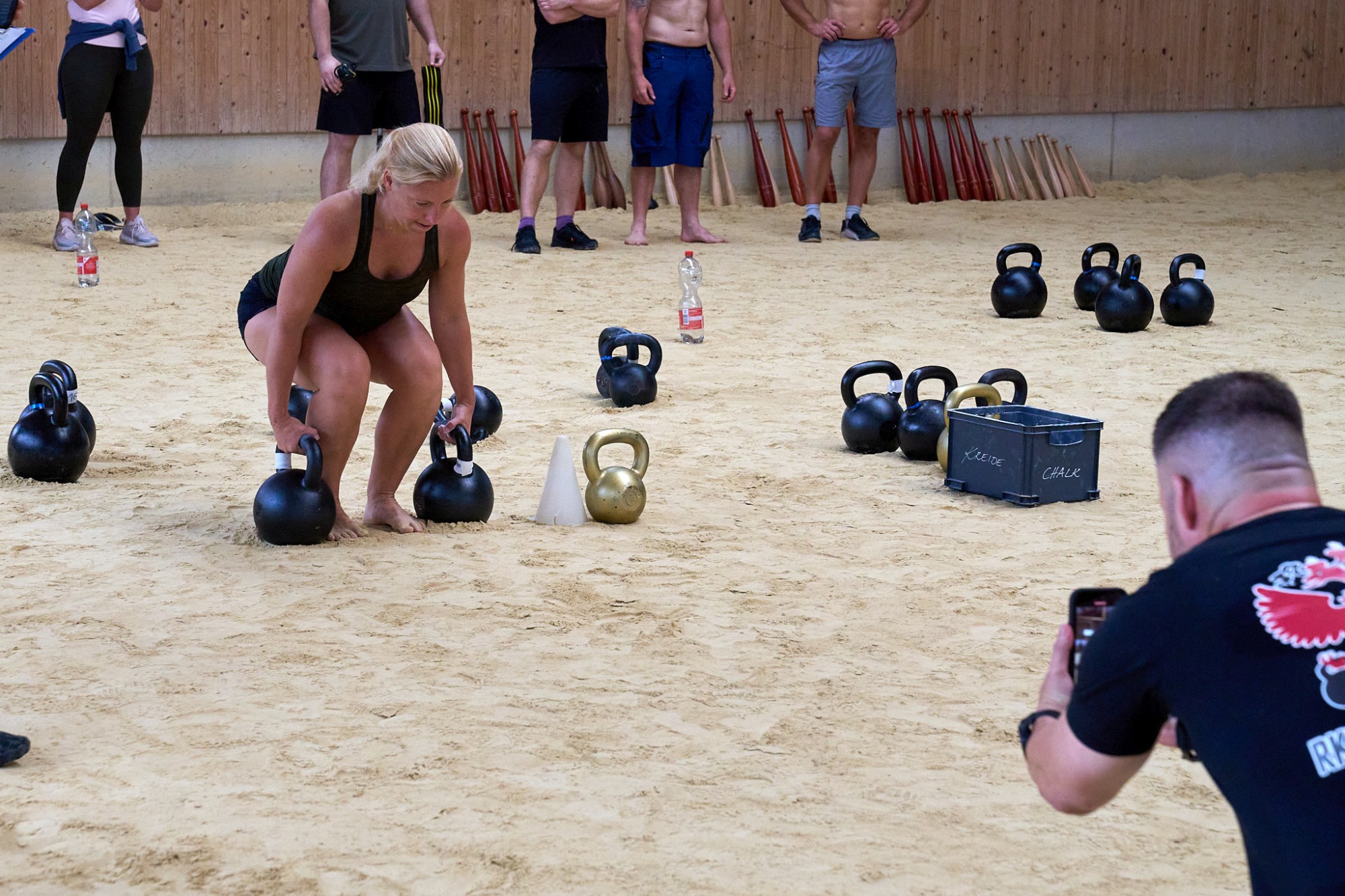
In der RKC School of Strength lehren wir einen „Russischen“ Kettlebell Swing (RKBS) auf Schulterhöhe. Das Ziel unseres Swings ist es, eine nachhaltige Kraftproduktion aus dem Antriebssystem des Körpers, den Hüften, zu fördern. Wir lehren diesen Swing-Stil, da viele Wettkampfsportarten von den Athleten verlangen, ihre eigenen Körper oder einen Gegenstand nach vorne zu bewegen. Dies ist die direkte Anwendung des RKBS und seiner nach außen gerichteten Kraft. Im Gewichtheben oder sogar im „Sport of Fitness“ sind die Athleten gefordert, ihre Hüften zu benutzen, um eine Last über Kopf in Bewegungen wie dem Clean and Jerk, Snatch und sogar einem Wall Ball Shot zu befördern. Bewegungen, die mit einer Last über Kopf enden, nutzen eine linearere Trajektorie und unterstützen die richtige Anwendung des AKBS.
Bevor wir uns zum Spielzeug (einer 24 kg Kettlebell) begeben und anfangen, sie mit beiden Händen über unseren Köpfen zu reißen, lass uns einige Details der Bewegung überprüfen.
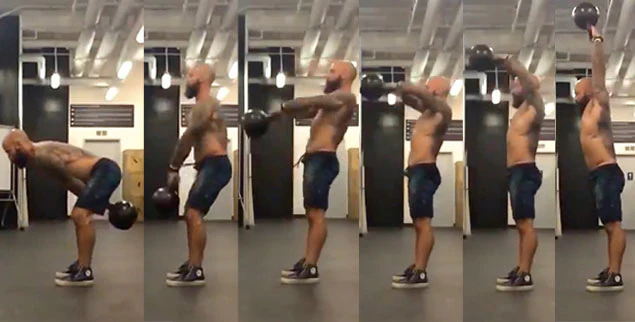
Zuerst ist der AKBS KEIN SWING. Ja, ich weiß, dass es Swing genannt wird, aber per Definition ist eine Bewegung, die sich in einer kontinuierlichen Bewegung vom Boden über Kopf bewegt, ein Snatch. Der Überkopf-Swing hat eine viel linearere Trajektorie, ähnlich wie beim Clean. Nur das Verständnis des Kettlebell-Pfades wird helfen, einige häufige Fehler bei dieser Bewegung zu beseitigen.
Das Üben eines Snatch mit einer Langhantel oder Kettlebell kann sehr anspruchsvoll sein. Aber die meisten Menschen besitzen die erforderliche Mobilität, um den RKBS zu lernen, selbst als Anfänger im Fitnessbereich. Sie werden möglicherweise nicht in der ersten Trainingseinheit an vollständigen Swings arbeiten, können aber mit leichten Deadlifts beginnen. Niedrigvolumige Swings sind realistische Fortschritte nach ein paar kurzen Trainingseinheiten mit einem RKC-zertifizierten Kettlebell-Instruktor. Dies ist im Allgemeinen nicht der Fall für den AKBS.
Es gibt mehrere Anforderungen, um den AKBS sicher zu praktizieren:
- Eine Demonstration von grober motorischer Kontrolle und Koordination
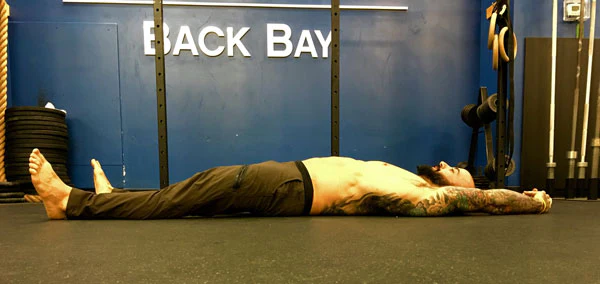
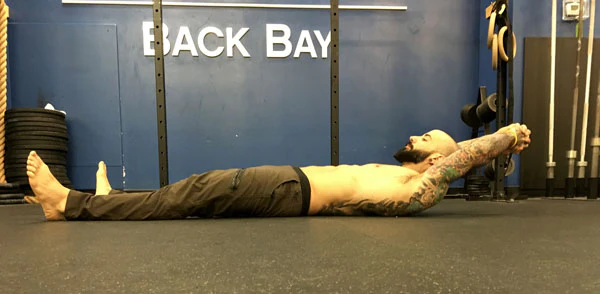
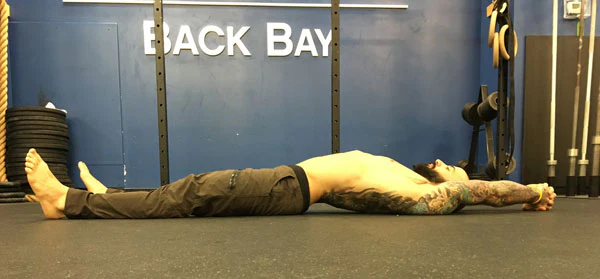
- Erforderlicher Bewegungsumfang im thorakalen Bereich (Rippenkorb)
- Bedeutende Überkopf-Schultermobilität und Stabilität
- Ein negativer Test auf Schulterimpingement an beiden Schultern (Suche einen CK-FMS-zertifizierten Instruktor, um auf Impingement zu testen)
Nachdem wir diese Sicherheitsstandards anerkannt haben, können wir entscheiden, ob der AKBS angemessen ist oder ob zusätzliches vorbereitendes Homework erforderlich ist, bevor wir diese Bewegung praktizieren. Denk daran, dass die Hände beim Ausführen eines AKBS nur 3-6 Zoll auseinander auf dem Griff platziert werden (je nach Größe der Kettlebell). Dies erfordert eine viel größere Menge an thorakaler und Überkopf-Mobilität, um die Hebung sicher auszuführen im Vergleich zur Langhantel-Entsprechung.
Erforderlicher Bewegungsumfang