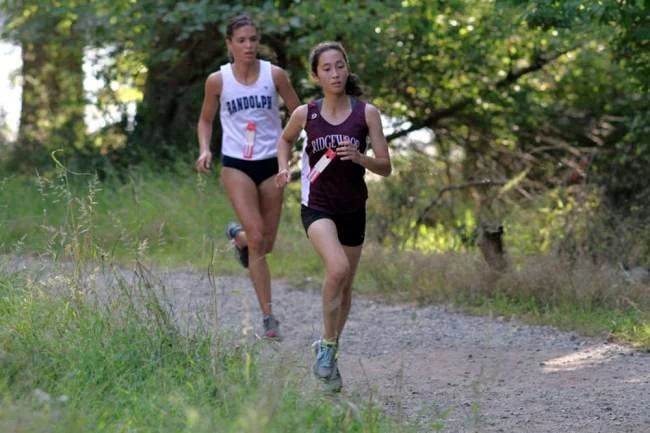
Viele Läufer – zusammen mit vielen in der allgemeinen Bevölkerung – haben runde Schultern und eine schlechte thorakale Mobilität. Diese Situation wird durch die Form, die diese Athleten beim Laufen einnehmen, noch verschärft. Stattdessen müssen sie ihre Brust öffnen, um ihre Lungenkapazität zu erweitern und den Blutfluss zu erhöhen.
Im Folgenden sind Beispiele für Carleens Training mit Kettlebells als Leichtathletin aufgeführt. Wir wechseln in der Regel unser wöchentliches Training.
Aufwärmen und Mobilität:
Jede Sitzung umfasst ein Aufwärmen mit Seilspringen für 3-5 Minuten und eine Mobilitätssequenz. Der Mobilitätsteil umfasst sechs Übungen zur Mobilität der hinteren Kette und der Schultern, die mit einem Bo-Stab oder Dowel, Armbars, thorakalen Brücken, Deck-Squats oder anderen Squats, Hüftöffnungsbewegungen, Zombie-Rollen und Liegestützen durchgeführt werden, um nur einige zu nennen. Wir haben auch Krabbelbewegungen zusammen mit Dehnübungen für die Oberschenkel und die hinteren Oberschenkelmuskeln eingesetzt.
Krafttage:
Schweres Heben mit Sätzen von 5 bis 10 Wiederholungen. Wir haben Krafttage innerhalb von drei oder mehr Tagen vor einem Wettkampf. Wenn es sich um ein großes Ereignis handelt, lassen wir eine Woche zwischen den Kraft-Sitzungen. Diese Sitzungen umfassen schwere Schwingen, Sumo-Squats, doppelte Kettlebell-Squats und schwere Drücken, Bottoms-Up-Pressen, schwere Aufsteh-Übungen, Bodenpressen, schwere Ruderzüge, Kettlebell-Tragen und Komplexe. Wir führen auch plyometrische Versionen einiger dieser Bewegungen mit niedrigen Wiederholungen durch.
Ausdauertage:
Ausdauertage umfassen Ketten mit 30 bis 40 Wiederholungen und gewichtete Plyometrie mit 10 bis 20 Wiederholungen pro Satz. Mit Kettlebells führen wir gehende Acht-Lunges, gehende Schwingen, Übergeschwindigkeits-Eccentric-Schwingen, Leitern und VO2Max-Schnapp-Workouts durch. Wenn wir kein VO2Max-Workout machen, beenden wir mit „6 Minuten der Hölle“ oder 5 Minuten Kettlebell-Schnappen (ähnlich einem Teil der Testanforderungen des RKC-Workshops).
Ein Beispiel für eine Variation von „6 Minuten der Hölle“: Führen Sie eine Clean, Press und einen Squat als Kette für eine Minute auf einer Seite aus, wechseln Sie dann zur anderen Seite für die nächste Minute. Wiederholen Sie dies 6 Minuten lang.
Nach einem Ausdauertag würden wir sicherstellen, dass wir mindestens zwei Tage Ruhe vor einem Wettkampf haben. Manchmal machen wir am Tag vor einem Wettkampf ein Ausdauertraining, jedoch mit reduzierten Gewichten, damit die Athleten nicht zu sehr schmerzen, um zu konkurrieren. Wir würden jedoch keinen Ausdauertag vor einem großen Wettkampf haben.
PowerDure-Tage:
Etwa 40 bis 50 % unserer wöchentlichen Workouts basieren auf der PowerDure-Methode. Wir führen die erste Hälfte des Workouts mit mittleren Kraftsätzen durch. Wir machen 3 bis 4 Sätze einer Mobilitätsübung zusammen mit einem Oberkörperdrücken und -ziehen sowie einem Unterkörperdrücken und -ziehen. 8 bis 10 Wiederholungen pro Satz. Manchmal einseitig, manchmal beidseitig.
In PowerDure sind Grinds unser Hauptfokus. Die zweite Hälfte der Sitzung ist der muskulären Ausdauer gewidmet, während wir unsere Stabilität und das Lock-and-Pop unserer ballistischen Bewegungen beibehalten. Wir konzentrieren uns auf Ketten und Kreise mit Workouts wie unserer „Warrior’s Challenge“, „Scrambled Eggs“ (siehe Beispiel unten) und Tabatas. Die Herzfrequenzen sind hoch und auch die Schweißproduktion! Danach kühlen wir mit Mobilitäts- und Flexibilitätstraining ab. Ich habe einen Pool von mehreren hundert Workouts in der PowerDure-Kategorie.
Körpergewichtstage: Diese werden einmal pro Woche durchgeführt, insbesondere kurz vor den Wettkämpfen und manchmal am Tag davor. Wir trainieren entweder mit niedrigen Wiederholungen (1 bis 5) für Kraft oder wir verwenden zeitgesteuerte Kreise, bei denen wir von einer Übung zur nächsten wechseln und versuchen, 80 % unserer maximalen Wiederholungen zu erreichen. In der Regel sind unsere Körpergewichtskreise auf 50 Sekunden aktiv, 10 Sekunden Pause eingestellt. Wir machen normalerweise 9 Übungen für 5 Runden. An Krafttagen (niedrige Wiederholungen) fordern wir uns mit den schwierigsten Übungen heraus. An Körpergewichtstagen kehren wir immer zu Regressionen zurück, wenn die Wiederholungen der schwierigeren Bewegungen nicht mehr erreichbar sind. Ich finde, dass die reinen Körpergewichtstage das Training abrunden, da Körpergewichtsübungen auch das Gleichgewicht und die allgemeine Koordination verbessern.