Diese Seite ist eine Übersetzung.
Klicken Sie hier, um das Original anzuzeigen.
Diese Übersetzung wurde noch nicht überprüft.
Wie man die 10.000 Swing-Challenge mit kleinen Gruppenstunden leitet
- WORKOUT OF THE WEEK
- KETTLEBELLS
- LORI CROCK
- MOBILITY TRAINING
- EXERCISE PROGRAMMING
- WORKOUT
- KETTLEBELL WORKOUT
- GROUP FITNESS
- SWING TECHNIQUE
- GROUP TRAINING
- 10000 KETTLEBELL SWING CH
- 10000 SWING CHALLENGE
- GROUP PROGRAM
- GROUP SWING CHALLENGE
- KETTLEBELL SWING CHALLENG
- SMALL GROUP
- SWING CHALLENGE
- FITNESS COACHING
- STRENGTH CONDITIONING
- KETTLEBELL TRAINING
- KETTLEBELL VARIATIONS
- CLASS STRUCTURE
Wie man die 10.000 Swing-Challenge mit kleinen Gruppenstunden leitet
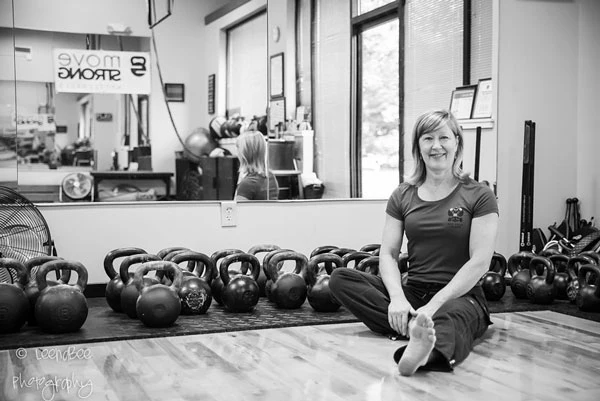
Lori Crock Gruppen-Kettlebell-Swings
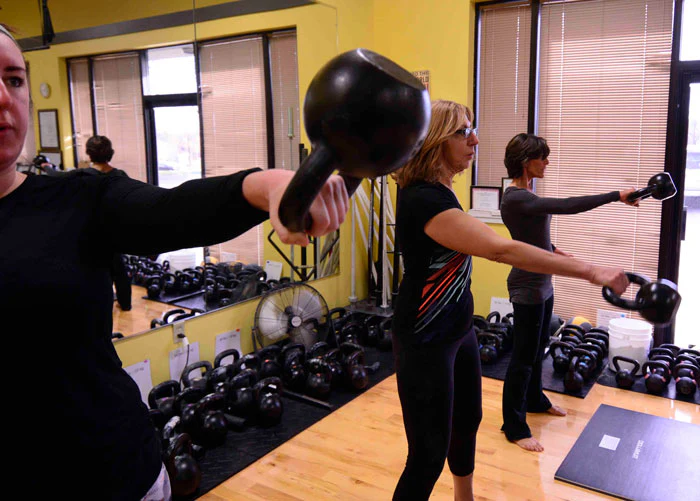
Quelle
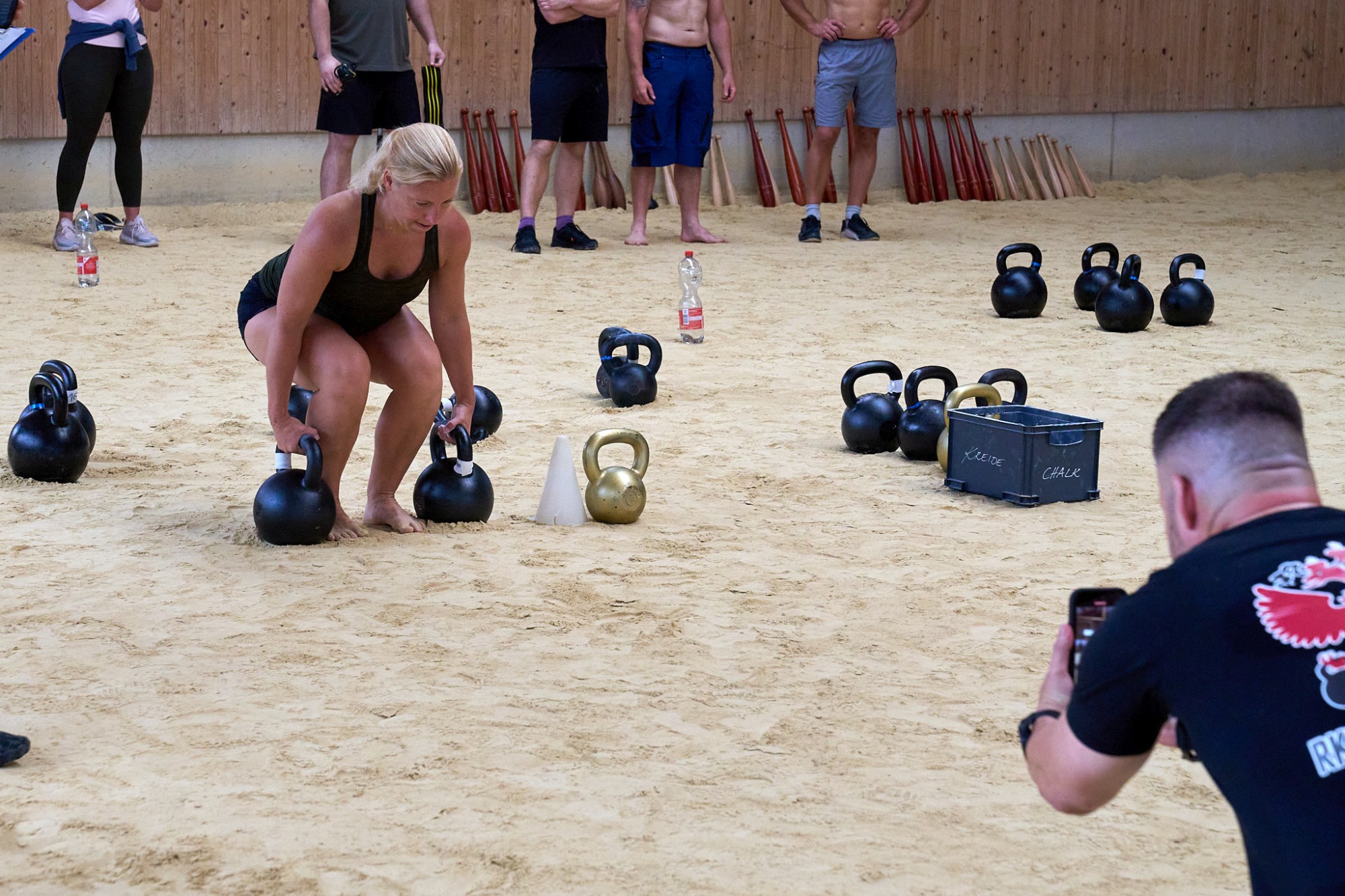
25-26.07.2026 RKC SommerCamp Pfaffenhofen an der Ilm
Trainieren, lernen, wachsen – erlebe die RKC-Community beim ultimativen Kettlebell-SommerCamp!
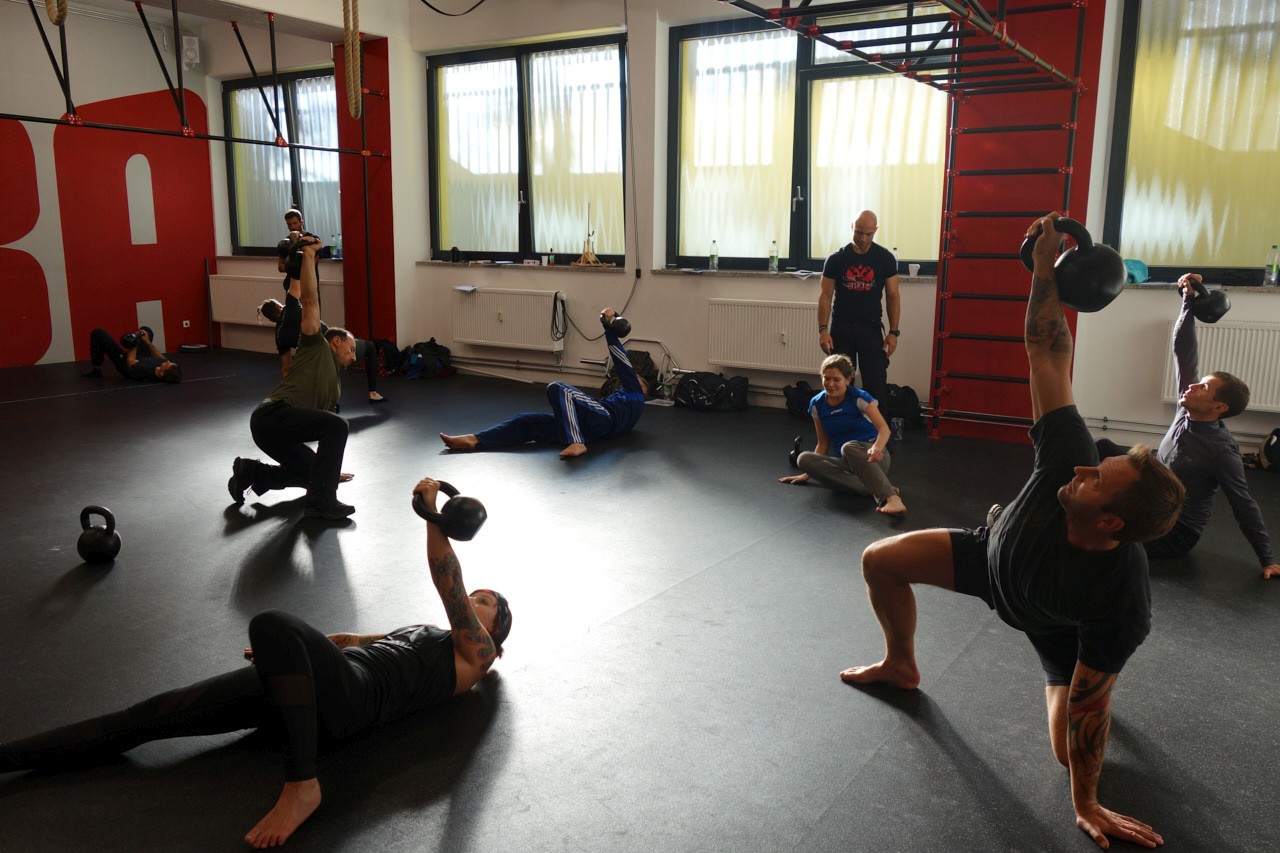
05.09.2026 RKC D-Lizenz Zertifizierung München
Gestalte deine Zukunft als Coach – mit RKC und der D-Lizenz!
06.09.2026 RKC C-Lizenz Zertifizierung München
Bereit für mehr? Mit der C-Lizenz meisterst du die nächste Stufe!
12-13.09.2026 RKC B-Lizenz Zertifizierung München
Von der Basis zur Exzellenz – mit der RKC B-Lizenz zum echten Profi!
Hol dir die originalen RKC Kettlebells!!!
Die originalen RKC Kettlebells wurden entwickelt für höchste Qualität und Langlebigkeit, perfekt für ein effektives Training nach den anspruchsvollen Standards der RKC. Setze auf das Original und spüre den Unterschied in deinem Training!