Diese Seite ist eine Übersetzung.
Klicken Sie hier, um das Original anzuzeigen.
Diese Übersetzung wurde noch nicht überprüft.
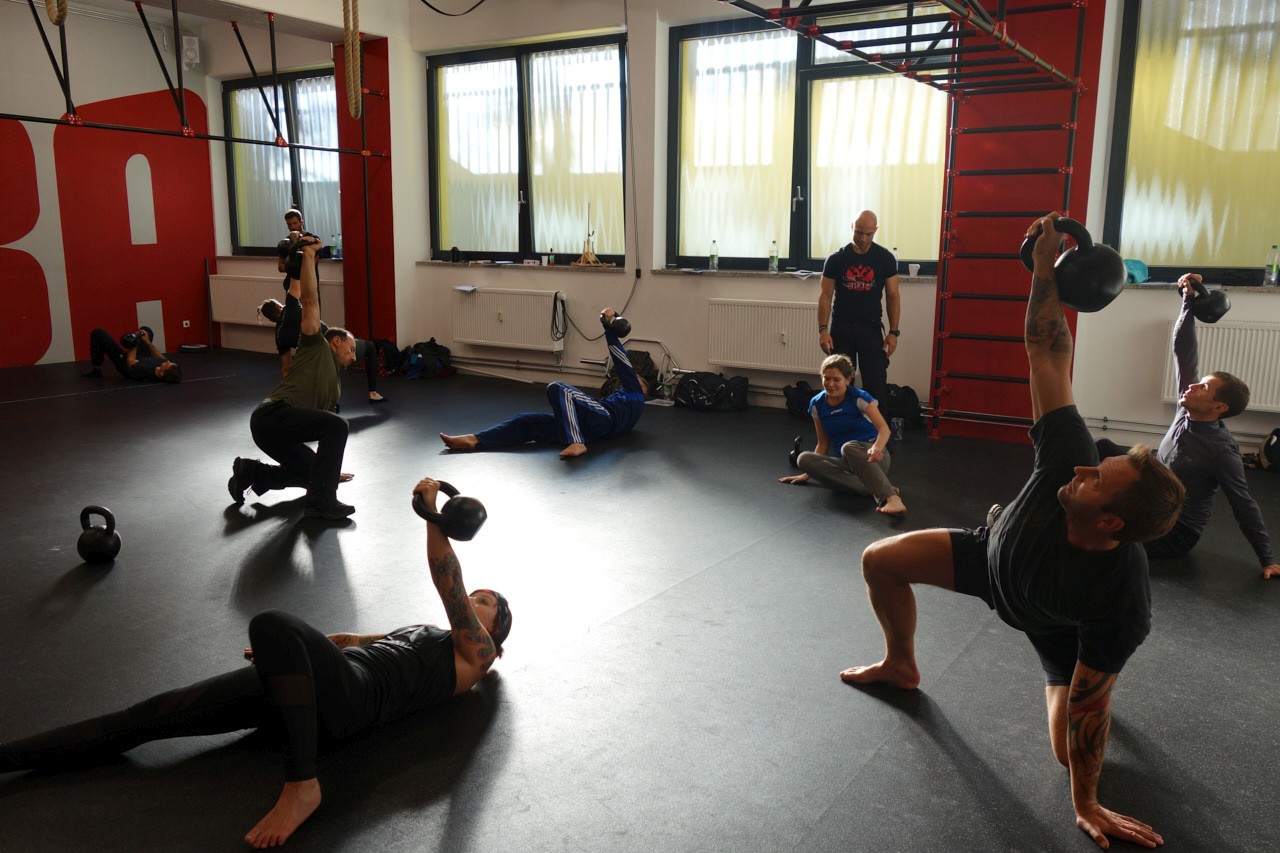
Wie man effektives Gruppentraining mit Kettlebells coacht
- KETTLEBELL TRAINING
- COACHING
- KETTLEBELL COACHING
- WILLIAM STURGEON
- GROUP FITNESS
- GROUP FITNESS INSTRUCTOR
- GROUP TRAINING
- KETTLEBEL TRAINING
- KETTLEBELL GROUP TRAINING
- PROGRESSIONS
- REGRESSIONS
- TIMED SETS
- INJURY-PREVENTION
- EXERCISE-TECHNIQUE
- CLIENT-SUCCESS
- MOVEMENT-PATTERNS
- SAFETY
- COACHING-STRATEGIES
- FITNESS-LEVELS
Wie man effektives Gruppentraining mit Kettlebells coacht
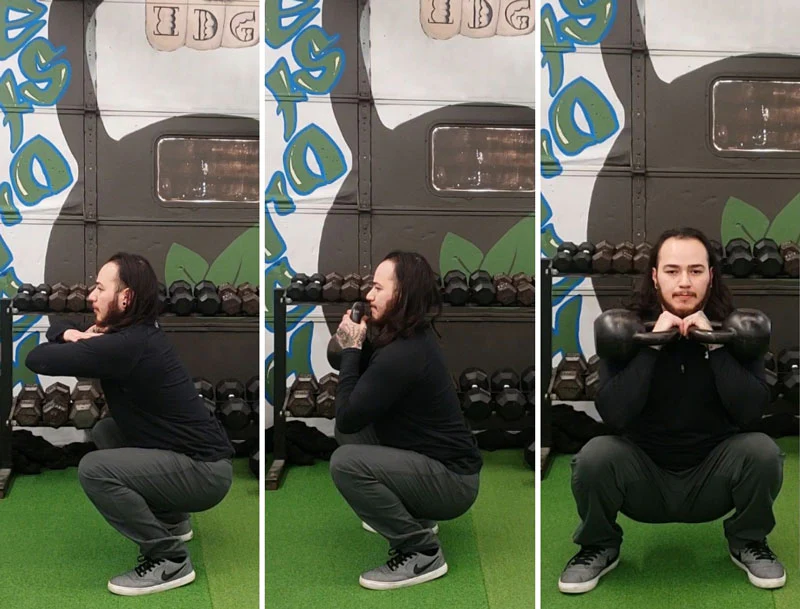
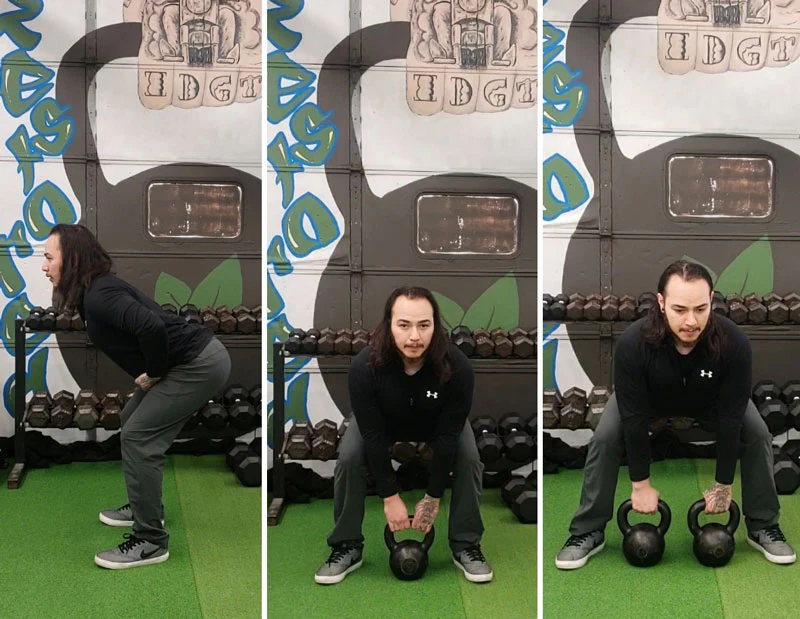
William Sturgeon, RKC-II, Hinge- und Deadlift-Progressionen
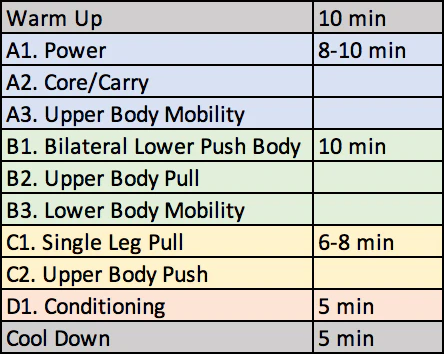
William Sturgeon Trainingsvorlage
Quelle
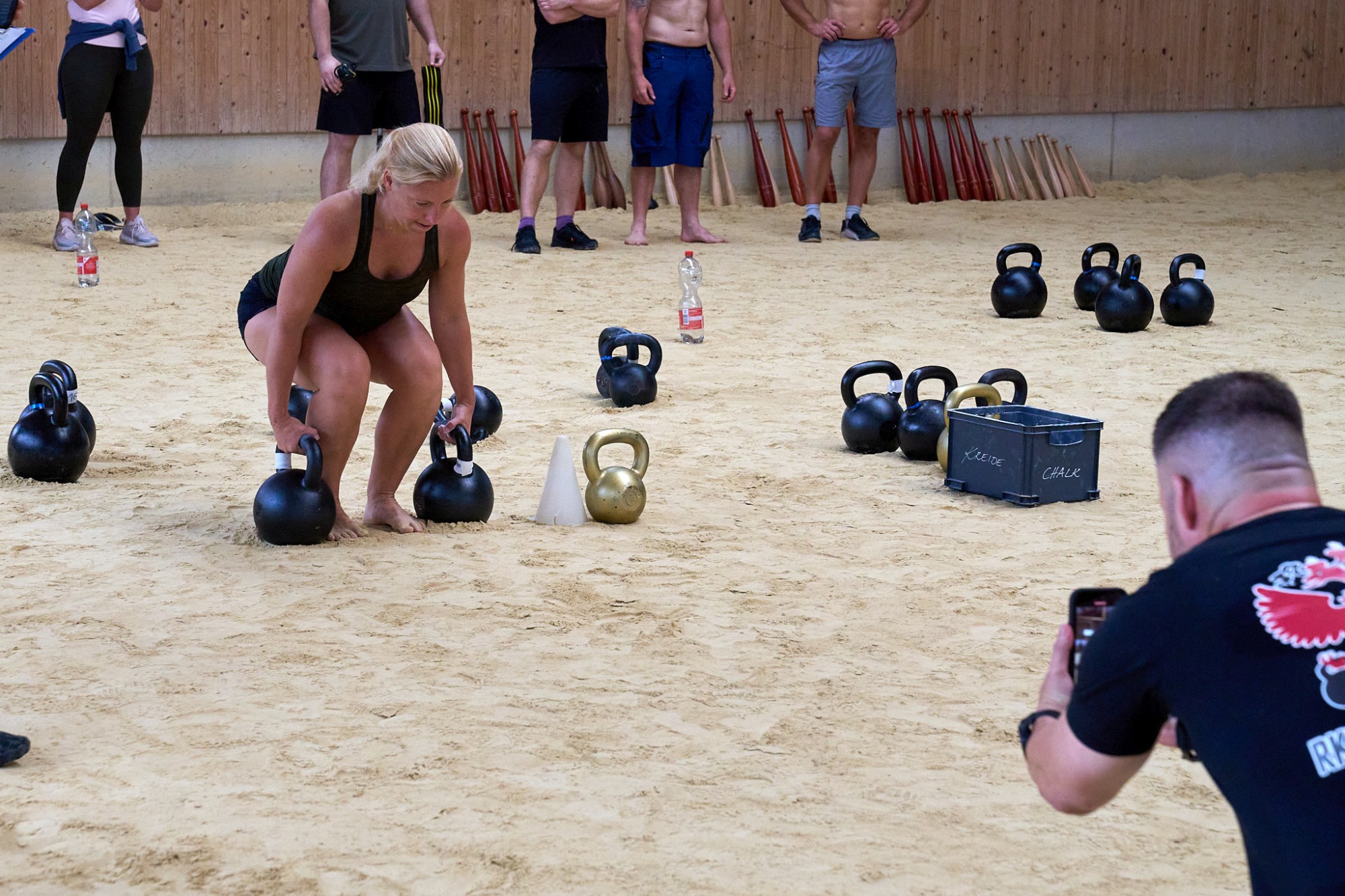
25-26.07.2026 RKC SommerCamp Pfaffenhofen an der Ilm
Trainieren, lernen, wachsen – erlebe die RKC-Community beim ultimativen Kettlebell-SommerCamp!
05.09.2026 RKC D-Lizenz Zertifizierung München
Gestalte deine Zukunft als Coach – mit RKC und der D-Lizenz!
06.09.2026 RKC C-Lizenz Zertifizierung München
Bereit für mehr? Mit der C-Lizenz meisterst du die nächste Stufe!
12-13.09.2026 RKC B-Lizenz Zertifizierung München
Von der Basis zur Exzellenz – mit der RKC B-Lizenz zum echten Profi!
Hol dir die originalen RKC Kettlebells!!!
Die originalen RKC Kettlebells wurden entwickelt für höchste Qualität und Langlebigkeit, perfekt für ein effektives Training nach den anspruchsvollen Standards der RKC. Setze auf das Original und spüre den Unterschied in deinem Training!