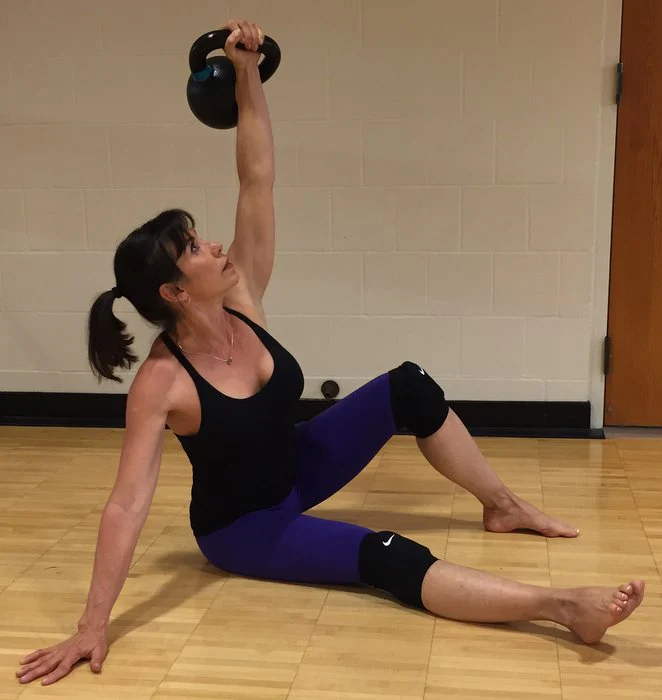
Wie und wann man die hohe Brücke und wann man den „Step-Across“ anstelle des „Windschutzscheibenwischers“ verwenden sollte
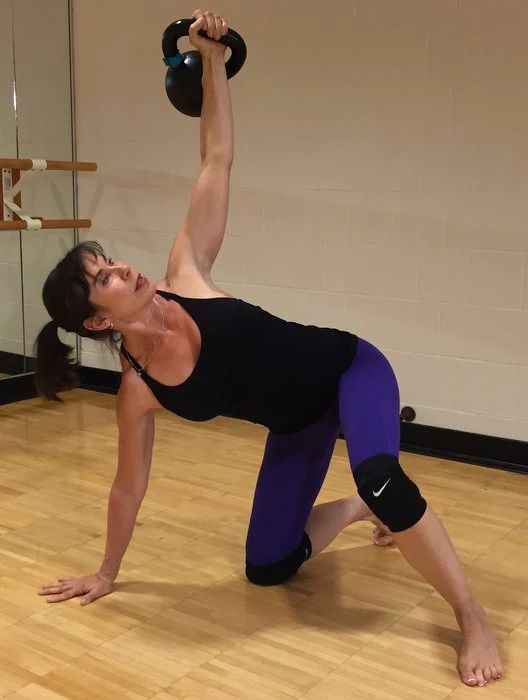
Bei jedem HKC und RKC werde ich gefragt, warum wir den niedrigen Sweep anstelle der hohen Brücke testen. Ich bekomme auch viele Fragen zum „Windschutzscheibenwischer“ im Vergleich zum „Step-Across“, um vom knienden Windmühlen- in die Ausfallschrittposition zu wechseln. Es ist an der Zeit, jede Bewegung zu erkunden und ein tieferes Verständnis für einige der Vorteile des Get-Ups zu gewinnen.
Als ich zum ersten Mal zertifiziert wurde und anfing, das Get-Up zu unterrichten, wurde es als „Türkisches Get-Up“ bezeichnet. Hier sind die Kriterien, die damals gegeben und getestet wurden:
- Halte beide Schultern gepackt.
- Halte die Handgelenke jederzeit neutral.
- Halte den Ellbogen jederzeit verriegelt.
- Halte deine Augen auf der Kettlebell.
Oh und nun…. get-up! Das war's, steh auf, wie du kannst.
Lass uns einfach sagen, das Get-Up hat einen langen Weg zurückgelegt, Baby. Es hat sich von sehr wenig Erklärung und Anleitung zu (für eine Zeit) ausführlicher Anleitung entwickelt, mit einem Fokus auf korrigierende Anwendungen und fortgeschrittene Bewegungsmuster.
Man kann sagen, dass wir jetzt ein glückliches Medium gefunden haben, das sich auf die Seite der Erklärung und Bewegungsanweisungen neigt. Aber wir haben auch ein gutes Gleichgewicht und eine einfachere Möglichkeit gefunden, das Get-Up neuen Kettlebell-Instruktoren und -Nutzern beizubringen.
Die Hohe Brücke oder der Niedrige Sweep
Ein Bereich der Verwirrung beim Get-Up ist, ob man die hohe Brücke oder den niedrigen Sweep verwenden sollte.
Zuerst lass mich erklären, woher die hohe Brücke stammt und warum sie ursprünglich als Lehr- und Testfertigkeit eingeführt wurde. Die hohe Brücke stammt aus dem FMS-Konzept, Bewegung als Screening zu verwenden. Als sie erstmals in das RKC-Curriculum eingeführt wurde, wurde die hohe Brücke als Screening für enge Hüftbeuger verwendet. Wir begannen jedoch zu bemerken, dass, wenn Menschen die hohe Brücke machten, ihre Lendenwirbelsäule tatsächlich in Hyperextension war, anstatt in voller Hüftextension. Ich erinnere mich, dass ich dies mit Gray Cook besprochen habe, und er stimmte zu, dass es ein Problem war, die hohe Brücke als Screening zu verwenden, da sie leicht betrogen werden kann. Sie zeigt nicht tatsächlich, ob die Person in voller Hüftextension oder in Hyperextension der Lendenwirbelsäule ist.
Zweitens – und wichtiger – würdest du einen Klienten, der eine Kettlebell in den Händen hält, nicht in eine hohe Brücke bringen und dann sagen: „Aha! Du hast enge Hüftbeuger“. Natürlich nicht. Lange bevor sie diese hohe Brücke machen, hast du bereits deduziert, dass sie enge Hüftbeuger haben, basierend auf anderen Screenings. Und aus einer Sicherheits-Perspektive würdest du jemandem nicht erlauben, eine hohe Brücke auszuführen, bis sie ihre Hüftbeuger geöffnet haben und die Bewegung korrekt ohne Kettlebell ausführen können.
Da eines der Endziele des Get-Ups darin besteht, schwer zu werden, wirst du aus Sicherheits- und Effizienzgründen dein Bein zurückziehen und deine Hüften so schnell wie möglich unter die Last bringen wollen. Die hohe Brücke birgt unnötige Risiken mit einer schweren Last während des Übergangs.
Das gesagt, ist die hohe Brücke großartig mit einem moderaten bis leichten Gewicht für einen fortgeschrittenen Kettlebell-Nutzer. Richtig ausgeführt, zeigt sie Schulterstabilität, Hüftflexibilität und Kontrolle.