Power-Atmung (Wim Hof Atmung) – Dies ist eine fortgeschrittene Variante der Atmung, die einige ziemlich enorme Vorteile hat. Die Verwendung der Wim Hof Methode hilft Ihnen, Ihrem Körper beizubringen, wie man den Sauerstoff optimal nutzt. Wie das funktioniert, ist, dass Sie 30 tiefe Atemzüge durch die Nase und aus dem Mund nehmen und bei Ihrem letzten Atemzug vollständig ausatmen und so lange halten, wie Sie können. Was hier passiert, ist, dass Sie Ihren Körper mit Sauerstoff und den Nährstoffen, die Sie damit aufnehmen, überschwemmen.
Von dort aus, wenn Sie vollständig ausatmen, beginnt Ihr Körper, mit Kohlendioxid gefüllt zu werden. Dies ist für viele anfangs ein unangenehmes Gefühl, da sie es nicht gewohnt sind, dass ihr Körper ohne Sauerstoff ist, aber wenn wir lernen können, wie man mit dem Unangenehmen bequem wird, verringert sich seine Intensität. Der Grund, warum Sie diesen Atemstil trainieren möchten, ist, dass er dem Körper beibringt, sich unter einem kontrollierten Stressor selbst zu regulieren.
Stärkt den Kern
Atmung kann Ihren Kern stärken, indem sie den tiefen Rumpfmuskeln beibringt, zusammenzuarbeiten, um die Stabilität der Wirbelsäule zu gewährleisten. Diese Muskeln sind Ihr Zwerchfell, die Interkostalmuskeln, der serratus anterior, der Psoas, der transversus abdominis, die inneren/äußeren Schrägen, der rectus abdominis, der quadratus lumborum, die Erectoren und Ihr Beckenboden. Wenn Sie sich ein Diagramm der menschlichen Anatomie ansehen, sehen Sie viele tiefrote Muskeln in diesen Bereichen. Das bedeutet, dass es sich um langsame Zuckungsfasern handelt, was bedeutet, dass sie Sauerstoff als Hauptenergiequelle benötigen, um ihre Aufgaben zu erfüllen.
Wenn Sie lernen, richtig zu atmen, werden Sie beginnen, Ihren Bauch, Ihre Rippen und Ihre Brust beim Einatmen anzuheben und zu verbreitern, und dann beginnen, Spannung zu erzeugen und beim Ausatmen zusammenzuziehen. Je besser Sie Ihr Atemgefühl und Ihre intra-abdominalen Muskeln wahrnehmen, desto größer wird Ihre Becken- und Wirbelsäulenstabilität sein, weil Sie die Muskeln trainiert haben, ihre Aufgabe als Stabilatoren richtig zu erfüllen, wodurch Sie mehr Kraft erzeugen.
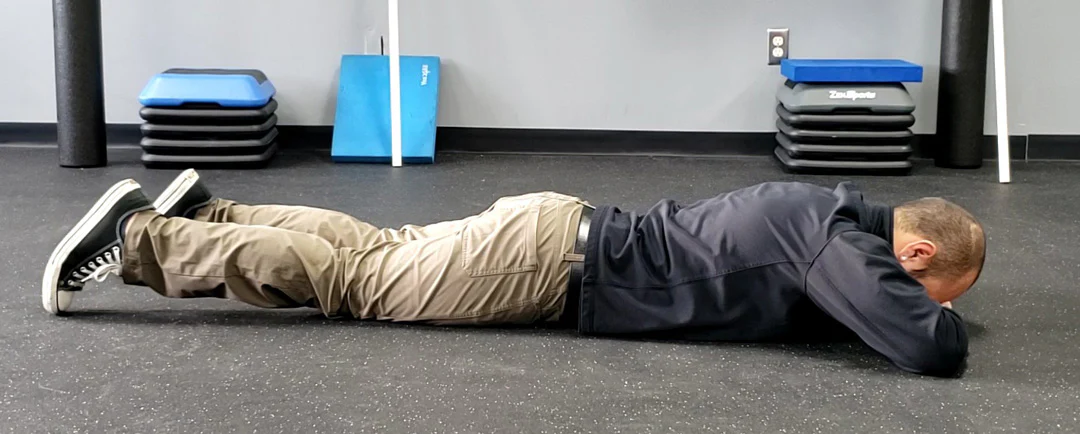
Wie sich das auf Ihr Kettlebell-Training auswirkt, ist, dass Sie eine größere Basis der Unterstützung, sprich Ihren Rumpf, haben, wodurch die Wahrscheinlichkeit, sich im unteren Rücken oder in den Schultern zu verletzen, geringer wird. Die Hard Style Plank lehrt uns hervorragend, wie man Spannung erzeugt und wie man hinter dem Schild atmet, was bedeutet, wie Sie die Stabilität unter Last aufrechterhalten können.
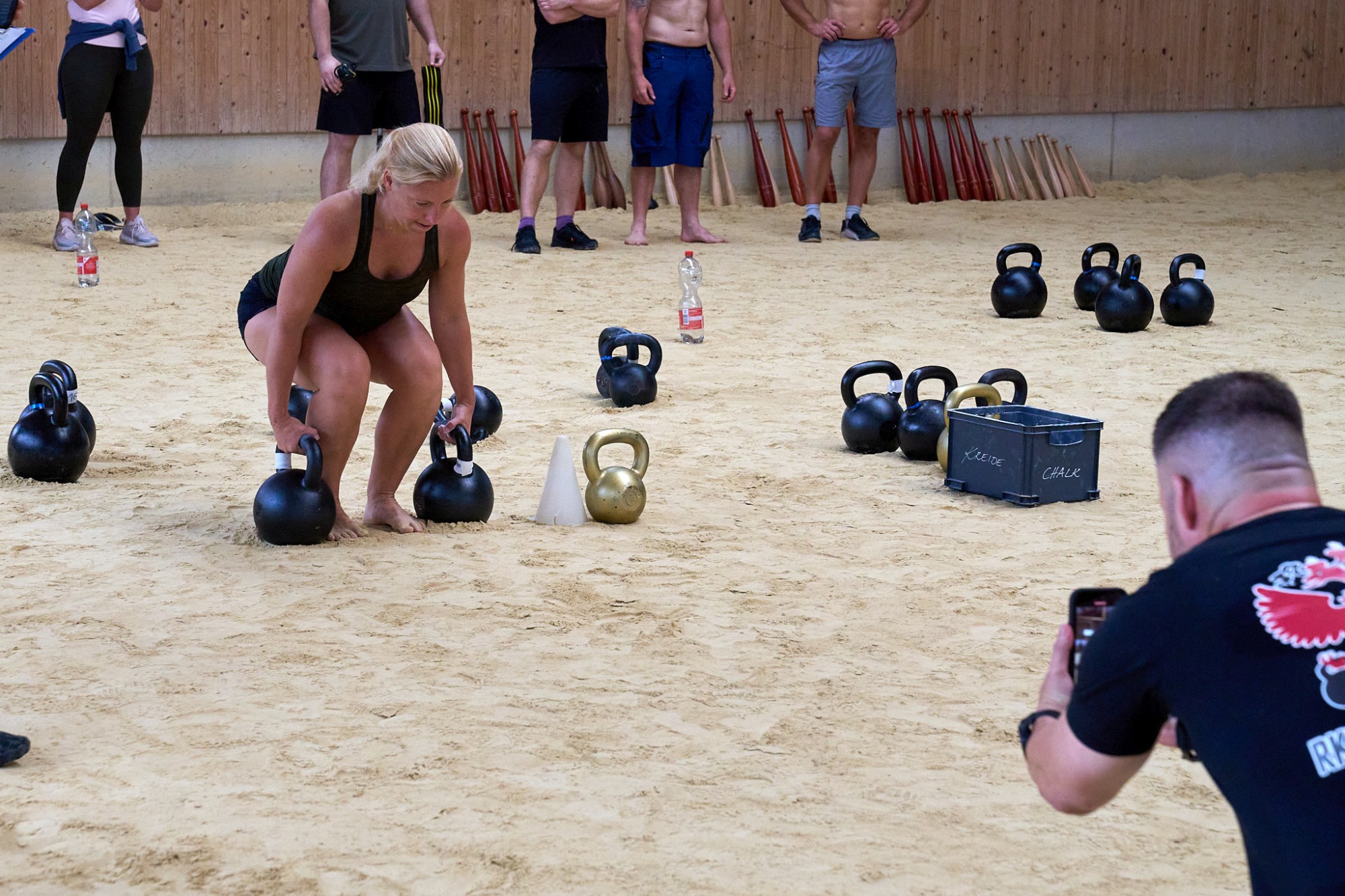
Wenn Sie an Kettlebell-Schwünge denken, gibt es eine große Menge an Hüftbeugung und -streckung, die erzeugt wird, wobei der Kern stark genug sein sollte, um die Lendenwirbelsäule zu stabilisieren, um eine Überstreckung an der Spitze Ihres Schwungs oder eine Beugung am Boden des Schwungs zu reduzieren.
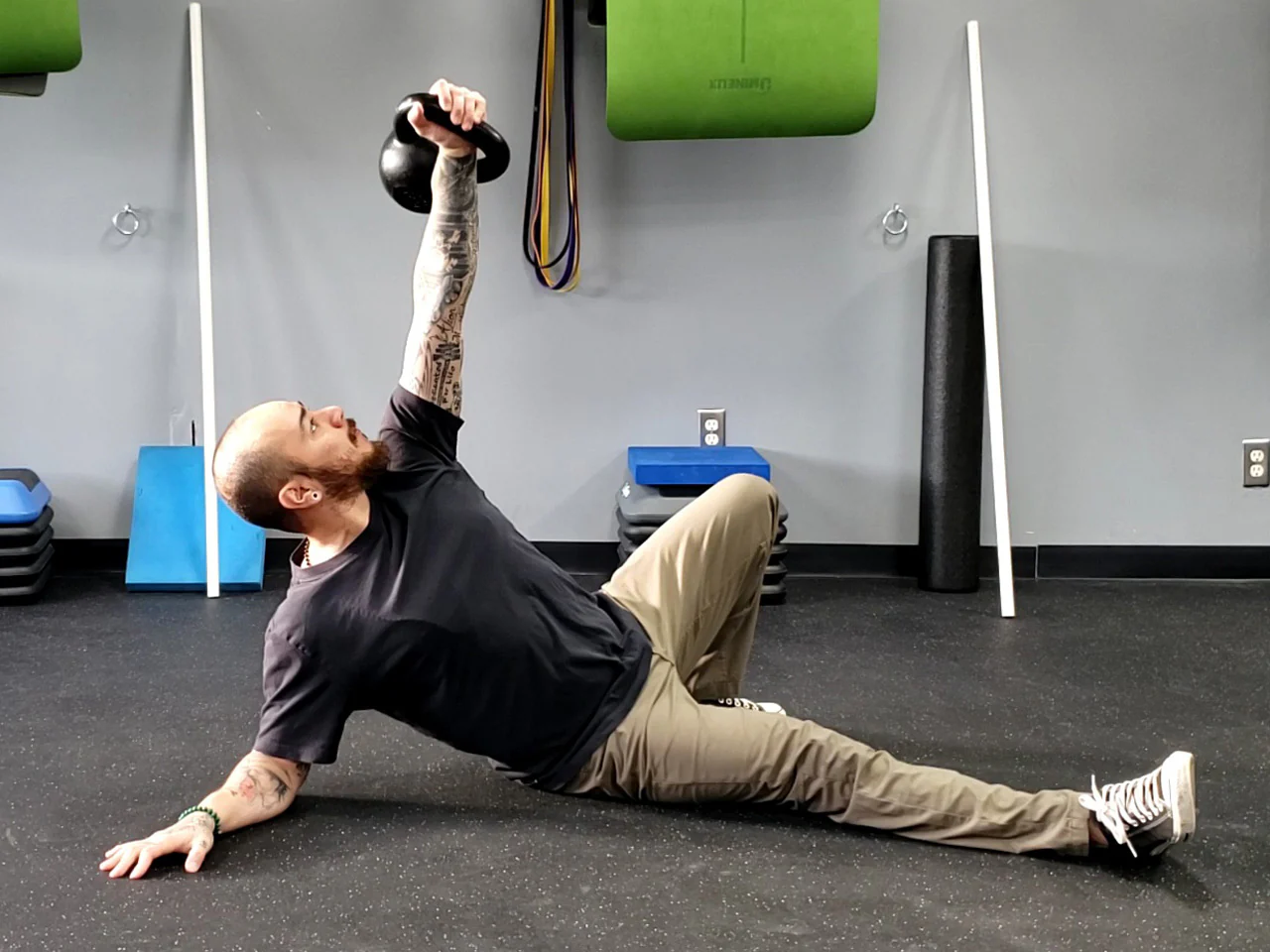
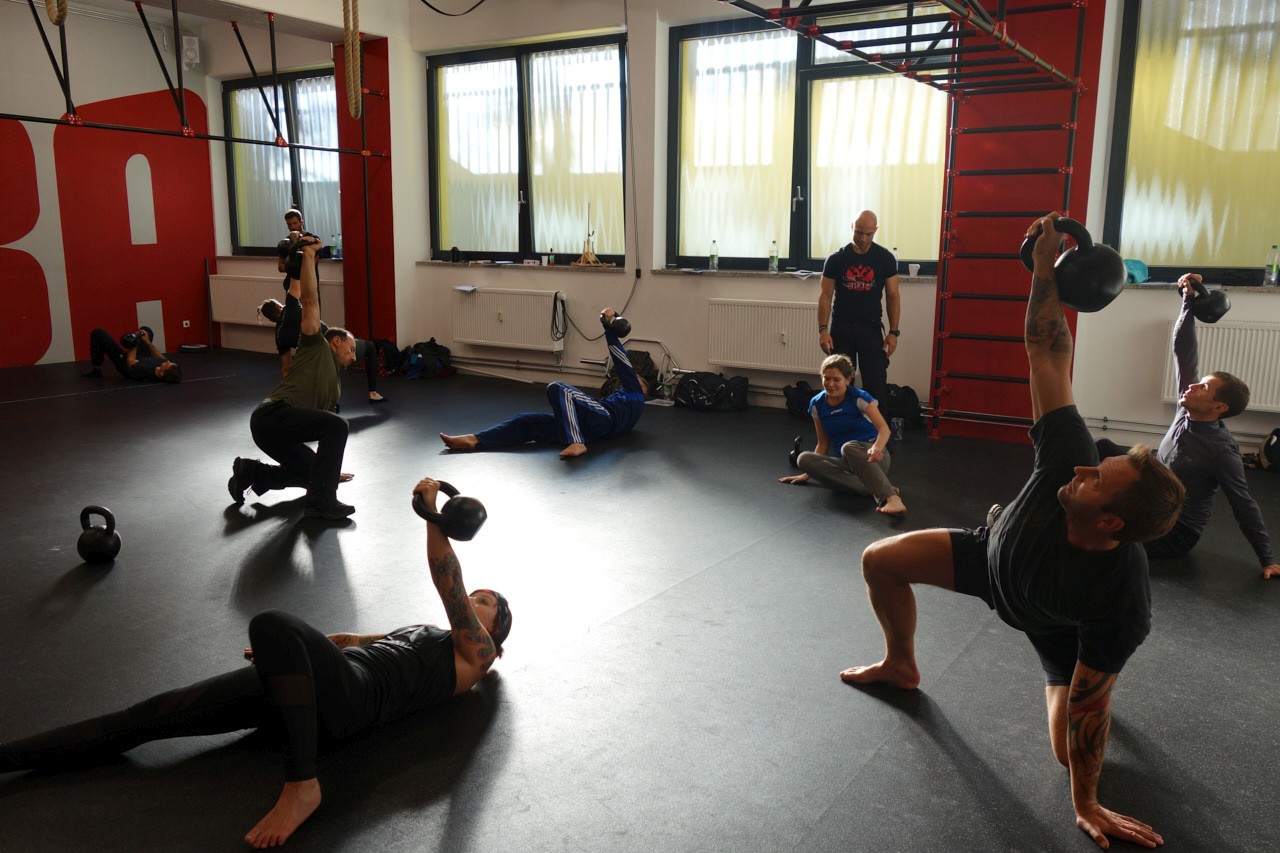
Ein weiteres Beispiel wäre, sich den Turkish Get-Up anzusehen, eine der besten Übungen, die den Körper und den Kern in einer Vielzahl von Bewegungsrichtungen trainiert, wobei der Kern in der Lage sein muss, mit den sich bewegenden Gliedmaßen richtig zusammenzuarbeiten.
Reguliert die kognitive Funktion
Kognitive Funktion bedeutet Ihre Fähigkeit zu lernen, zu denken, zu schlussfolgern, sich zu erinnern, Probleme zu lösen, Entscheidungen zu treffen und die Aufmerksamkeit zu zentrieren. Wenn Sie nicht richtig atmen können, beginnen all diese Funktionen langsamer zu werden, aufgrund der mangelnden Regulierung in Ihrem autonomen Nervensystem, insbesondere eines außer Kontrolle geratenen sympathischen Nervensystems.
Das autonome Nervensystem ist der Teil Ihres Nervensystems, der unwillkürliche Aktionen wie Herzfrequenz und das Erweitern oder Verengen von Blutgefäßen steuert. Innerhalb Ihres ANS haben Sie Ihr sympathisches Nervensystem, das für Ihre Kampf-, Flucht-, Erstarrungs- oder Schmeicheln-Reaktion in Ihrem Körper verantwortlich ist.
Sie haben auch ein parasympathisches Nervensystem, das für Ihr Ruhe- und Verdauungssystem verantwortlich ist. Denken Sie daran, dass dies Stress vom Sympathikus und Passivität vom Parasympathikus bedeutet; das eine bedeutet, Stress und Wachsamkeit zu verursachen, während das andere für Entspannung und Ruhe sorgt. Beide sind für verschiedene Aktivitäten in Ihrem Tag sehr wichtig, aber hauptsächlich sollten wir unseren Fokus mehr auf unser parasympathisches Nervensystem legen.
Der Grund, warum Sie Ihren Fokus mehr auf Ihr PNS legen sollten, ist, dass dort Ihre kognitive Funktion erheblich verbessert werden kann. Wenn Ihr Nervensystem nicht ständig von Stress entführt wird, können Sie ruhiger und entspannter sein, was Ihre kognitiven Funktionen verbessert. Sie tun dies, indem Sie die oben genannten Atemfähigkeiten üben, um zu lernen, wie Sie Ihre Herzfrequenz senken und Ihre physischen Symptome von Stress reduzieren können.
Wenn Sie in der Lage sind, Ihre Atmung zu regulieren, verbessert sich Ihre kognitive Funktion, was bedeutet, dass Sie mehr behalten und Bewegungen besser verstehen können, wenn es darum geht, einige der Komplexitäten von Übungen wie dem Kettlebell-Schwung oder dem Turkish Get-Up zu lernen.
Zusammenfassend lässt sich sagen, dass Ihr Kettlebell-Training sich verzehnfachen kann, indem Sie einfach Ihre Atmung verbessern, da sie Ihre Ausdauer erhöhen, Ihren Kern stärken und Ihnen beim Lernen helfen kann.