Kettlebells waren eine große Veränderung für mich – weit über das Hinzufügen von Swings, Get-Ups und Squats zu meinem Training hinaus. Das gesamte Konzept der Kettlebells brachte mich dazu, die Werkzeuge, die ich verwendete, neu zu bewerten und darüber nachzudenken, wie viele Werkzeuge ich wirklich benötigte, um ein bestimmtes Fitnessziel zu erreichen. In vielerlei Hinsicht brachten mich Kettlebells dazu, mehr über das große Ganze nachzudenken. Bald löste ich Fitnessbedürfnisse effektiver. Ich erinnere mich, als Dragon Door Kettlebells nur in drei Größen erhältlich waren – 16kg, 24kg und 32kg. Damals hielten es die meisten Menschen nicht für selbstverständlich, zu einer leichteren oder schwereren Kettlebell zu wechseln, um eine Übung schwieriger oder einfacher zu machen. Das ist es, was ich an Kettlebells von Anfang an geliebt habe – wir wurden gelehrt, ein wenig anders über sie nachzudenken, und ich möchte das mit IHNEN teilen!
Viele Menschen denken, dass sie aus ihren Kettlebells herauswachsen werden, während sie verschiedene Bewegungen und Progressionen durchlaufen, aber ich habe noch nie gesehen, dass das wirklich der Fall ist. Tatsächlich werden Sie, indem Sie nicht automatisch zu einer anderen Kettlebell-Größe wechseln, feststellen, dass Sie Plateaus durchbrechen und sich viel schneller stärker fühlen. Die folgenden drei Kettlebell-Techniken zeigen Ihnen, wie!
Dead Stop Anything
Da Cleans, Snatches und Swings im Kettlebell-Training unerlässlich sind, ist es wichtig zu beachten, wie man diese Bewegungen fortschreiten kann. Immer wieder bin ich überrascht zu sehen, wie Dead Stop-Progressionen so viel über die Bewegungen einer Person verändern können – und wie viele Stärken und Schwächen dabei offenbart werden.
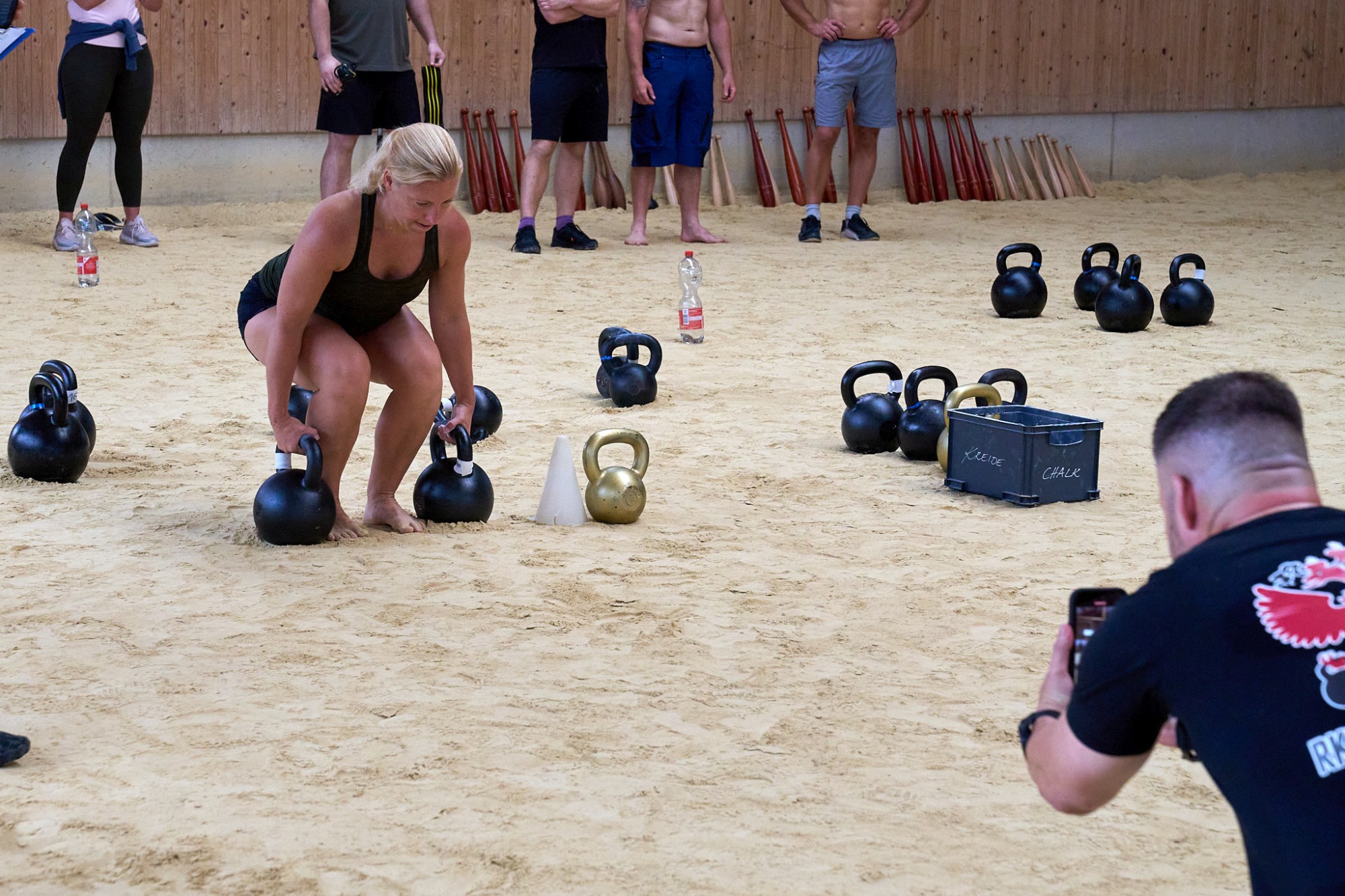
Während die Dead-Stop-Technik definitiv vorteilhaft für Swings ist, finde ich, dass sie den GRÖSSTEN Einfluss auf Cleans und Snatches hat, da sie keinen Pre-Swing haben, von dem man die kraftvolle exzentrische Vorbelastung aufbauen kann. Ironischerweise, da viele Menschen Deadlifts aus demselben Grund lieben, bin ich überrascht, dass diese Technik im Kettlebell-ballistischen Training nicht beliebter ist. Persönlich habe ich SEHR wenige Menschen gefunden, die zwei 32kg oder größere Kettlebells aus einem Dead Stop für Sätze von fünf double clean können. Aber jedes Mal, wenn ich jemanden treffe, der das kann, ist der Krafttransfer auf andere Lifts ziemlich erstaunlich!
Stopp!
Da viele beliebte Fitnessansätze darauf basieren, ein Workout in einer bestimmten Zeit abzuschließen, übersehen wir oft den Wert, spezifische Pausen hinzuzufügen. Das Tolle an Pausen ist, dass sie jede Kettlebell-Hebung von Snatches über Get-Ups bis hin zu Squats herausfordernder machen können.
Es ist erstaunlich, was die Hinzufügung von ein paar Sekunden Pause mit dem Gewicht einer Kettlebell bewirken kann. Plötzlich kann sich eine relativ leichte Kettlebell VIEL schwerer anfühlen!
Aber es gibt noch mehr Gründe, warum wir Pausen nutzen sollten. Auf einer grundlegenden Ebene geben uns Pausen die Möglichkeit, unsere Positionen und Ausrichtungen zu betrachten. Wenn Menschen versuchen, durch ihr Training zu fliegen, ist es üblich, einen Verlust der richtigen Körperhaltung und geschummelte Bewegungsbereiche zu sehen. Pausen helfen, einen Technikbruch zu verhindern und erreichen auch einige der Vorteile, die wir im Dead Stop-Training besprochen haben. Und mit Pausen können wir in einer Vielzahl von Positionen halten. Es gibt großen Wert darin, den Fang eines Cleans oder Snatches, den tiefsten Punkt eines Squats oder sogar spezifische Phasen des Get-Ups zu halten. All diese Pausenbeispiele können helfen, ungenutzte Kraft aufzubauen.
Schließlich sind Pausen eine Gelegenheit, an isometrischer Kraft zu arbeiten, die wertvoll, aber oft schwierig in die meisten Fitnessprogramme zu integrieren ist. Da isometrisches Training typischerweise nur in einem Bereich von etwa 15 Grad der Bewegung effektiv ist, mag es nicht lohnenswert erscheinen. Aber diese Einschränkung ist ein GROßER Grund, daran sowohl im unteren als auch im oberen Bewegungsbereich einer bestimmten Übung zu arbeiten. Oben kann isometrische Kraft Wunder für den Aufbau einer großartigen Rumpfkraft bewirken. Und der untere Bewegungsbereich ist typischerweise der Bereich, in dem wir die meiste Kraft in einem Lift benötigen.
Führen Sie die Underdog-Bewegung aus!
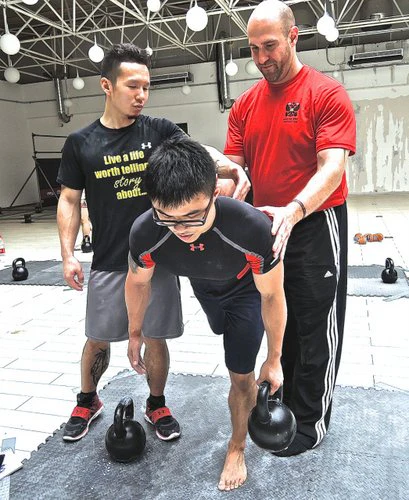
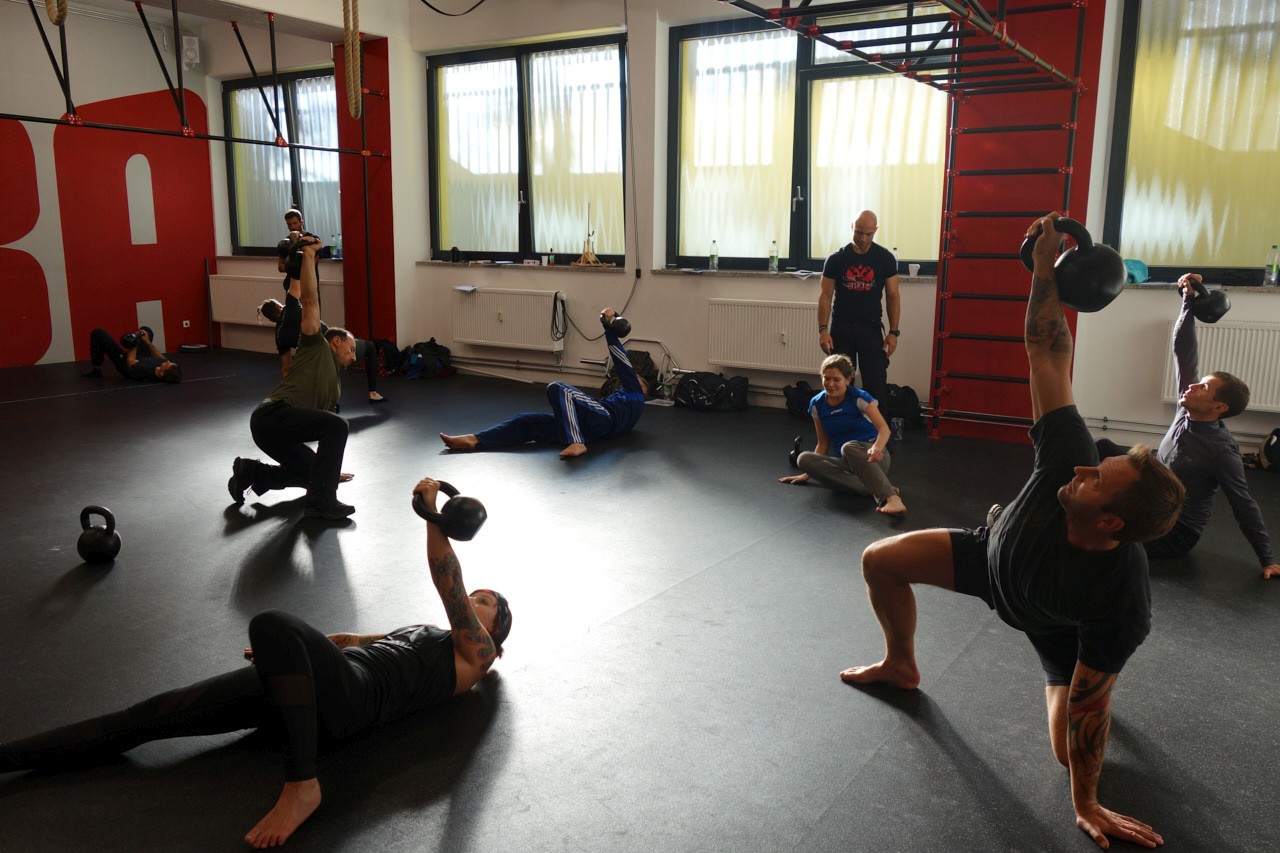
Kürzlich hatte ich die wunderbare Gelegenheit, einen RKC-Workshop in China zu leiten. Während des Kurses demonstrieren und lehren wir immer „Zubehör“-Kettlebell-Drills. Diese Drills werden im RKC nicht getestet, aber das macht sie nicht weniger wertvoll. In Wahrheit sind viele dieser zusätzlichen Kettlebell-Drills genauso wichtig wie die bekannteren und getesteten Übungen.
Zum Beispiel hat der Kettlebell Einbeinige Deadlift erstaunliche Übertragungen auf Swings, Cleans und Snatches. Viele Menschen würden davon profitieren, den einbeinigen Deadlift auszuführen, da er größere Stabilität und Kraft in den unteren Beinen, Hüften und im Rumpf aufbaut. Es ist so einfach, kompensatorische Bewegungen mit Drills wie dem Kettlebell einbeinigen Deadlift zu erkennen und zu korrigieren.