RKC D-License Certification

21.03.2026 - Köln - Become the kettlebell coach that others trust – it all starts in Cologne!

$290.00

Short Description
The RKC D-License certification is the foundation of your kettlebell knowledge and answers all questions for your work with "open-class" fitness groups.
Click here to learn more about RKC certifications.
Pictures
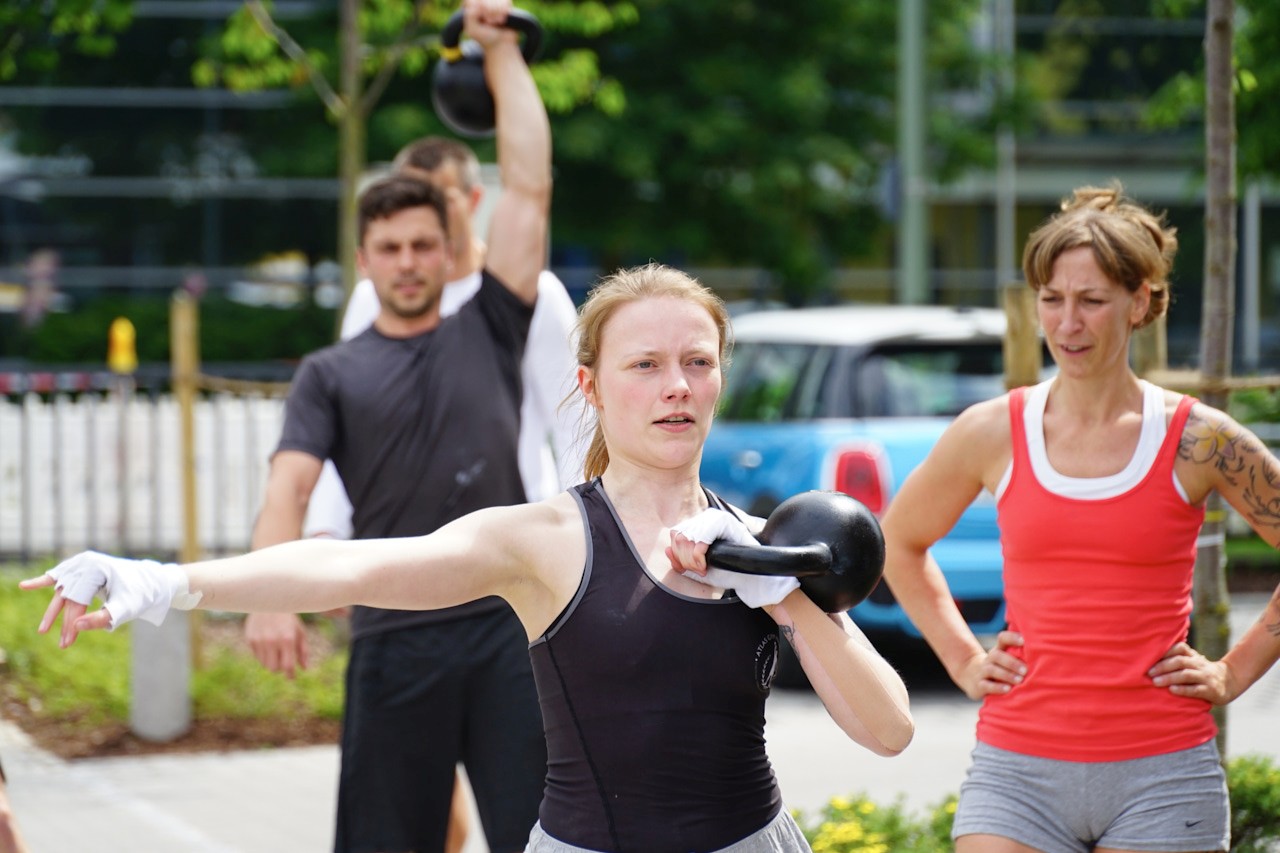
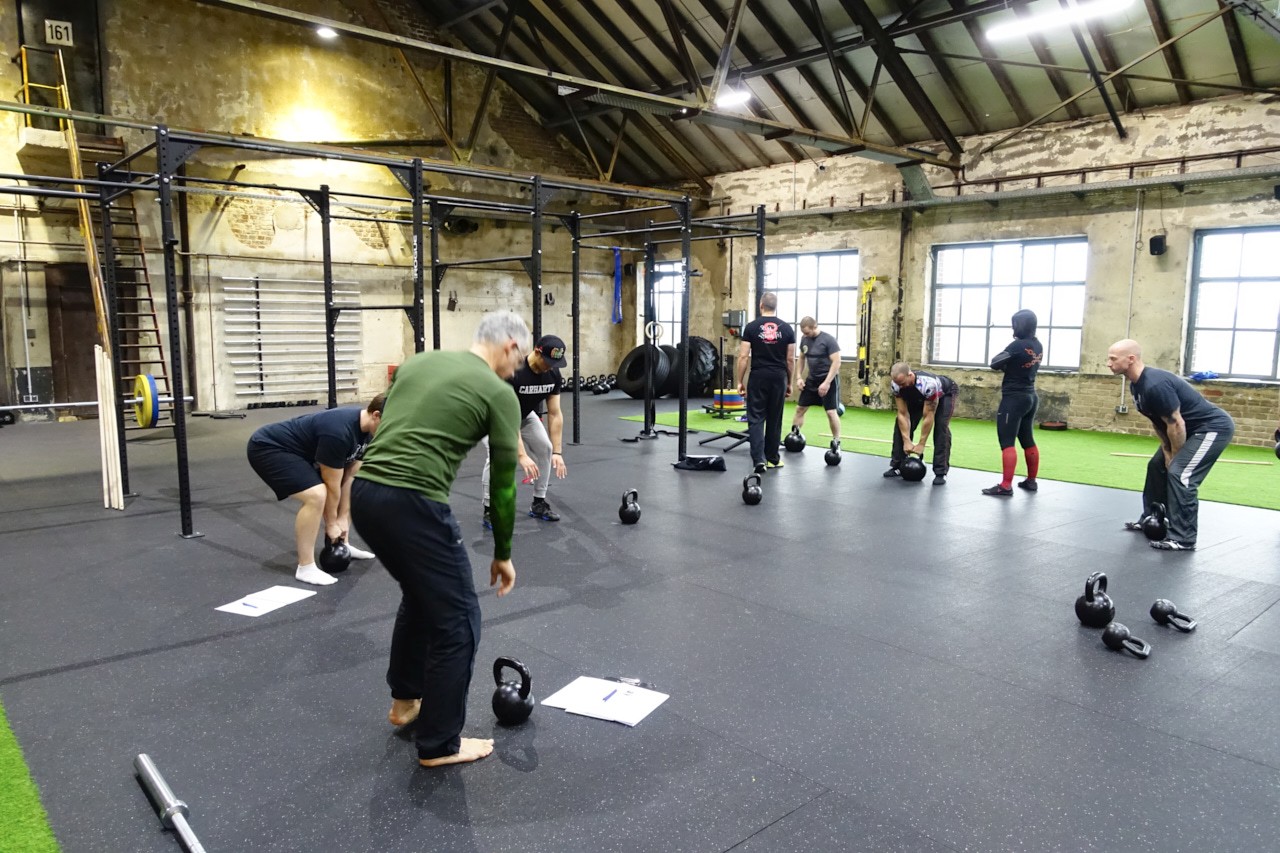
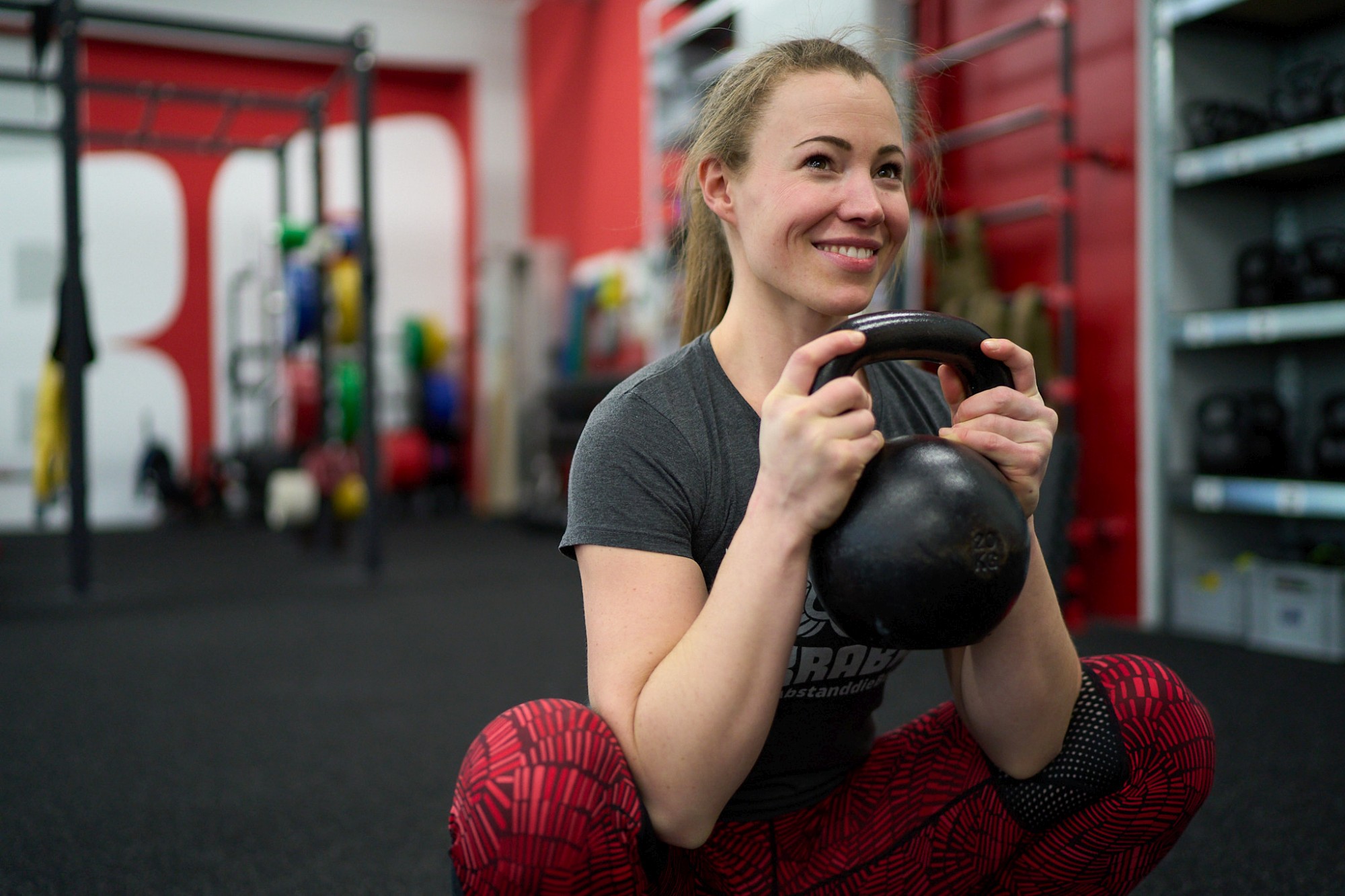
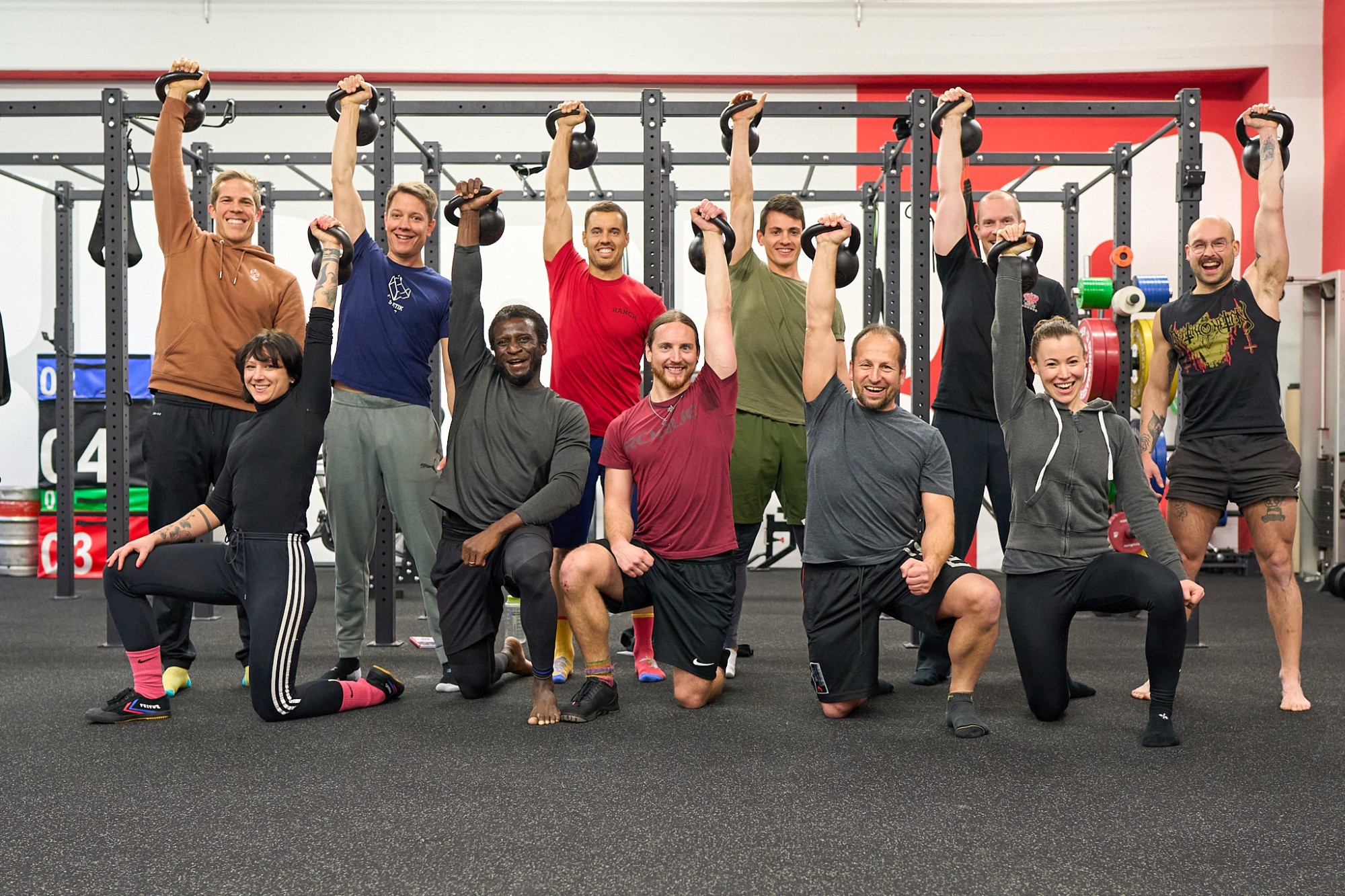
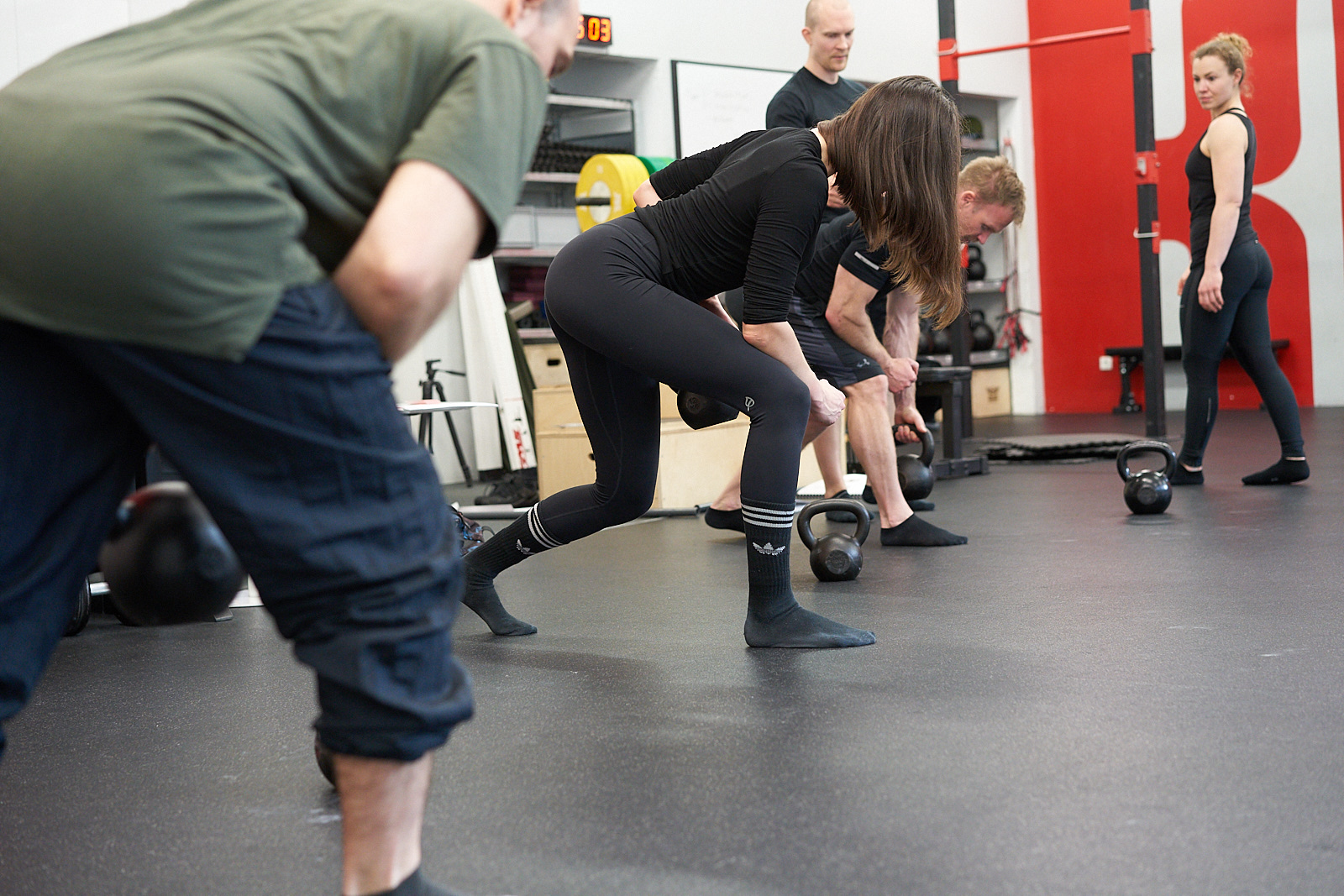
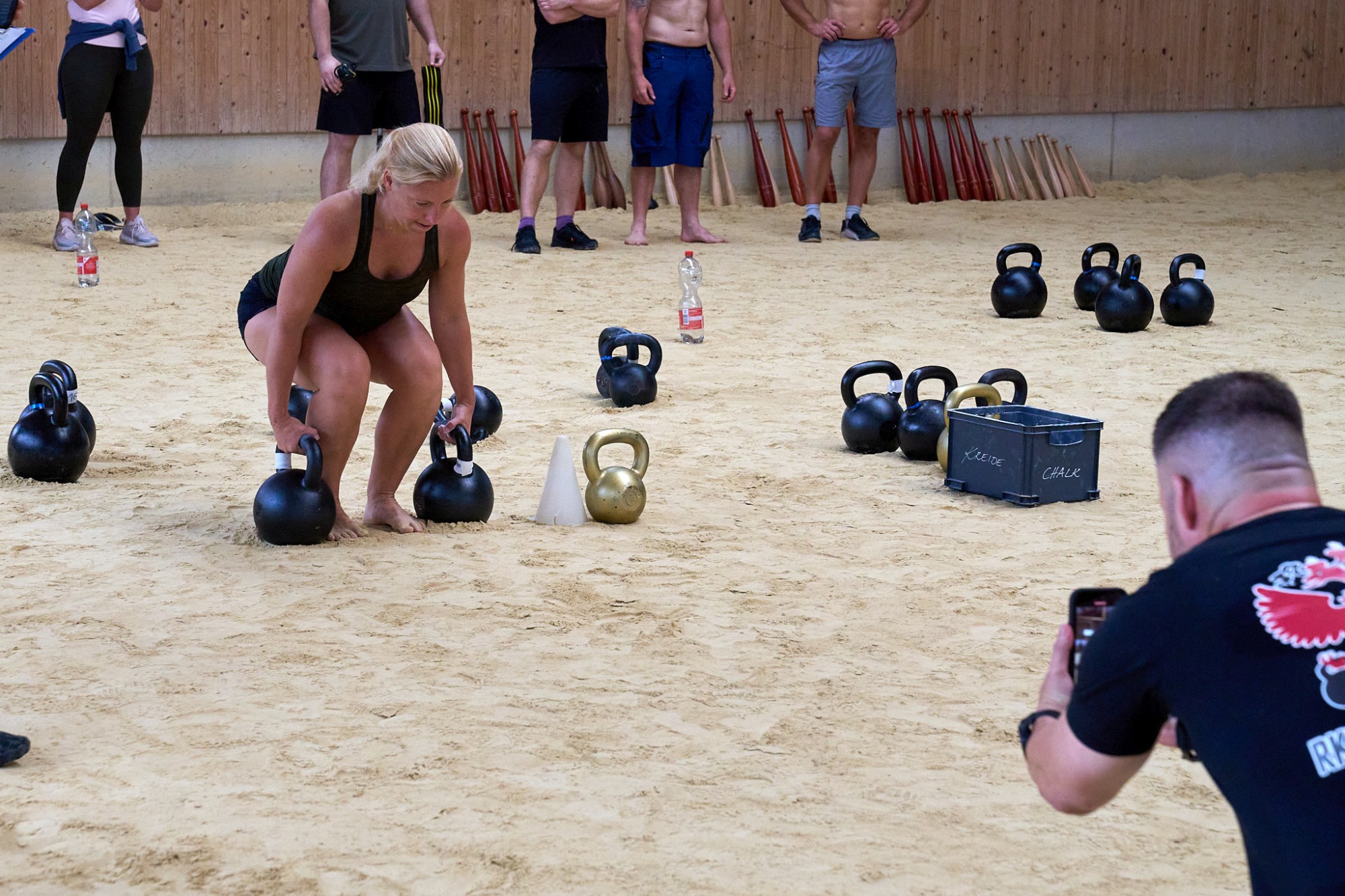
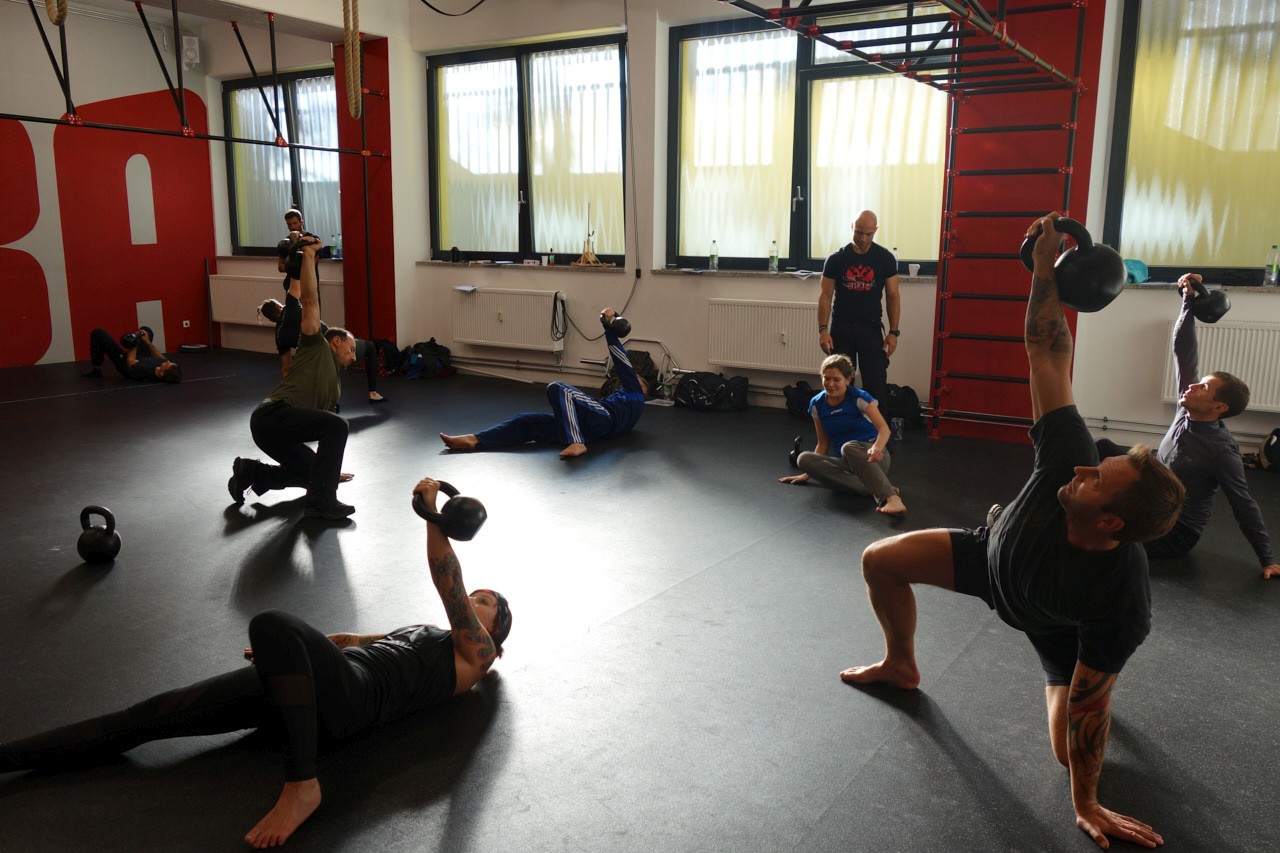
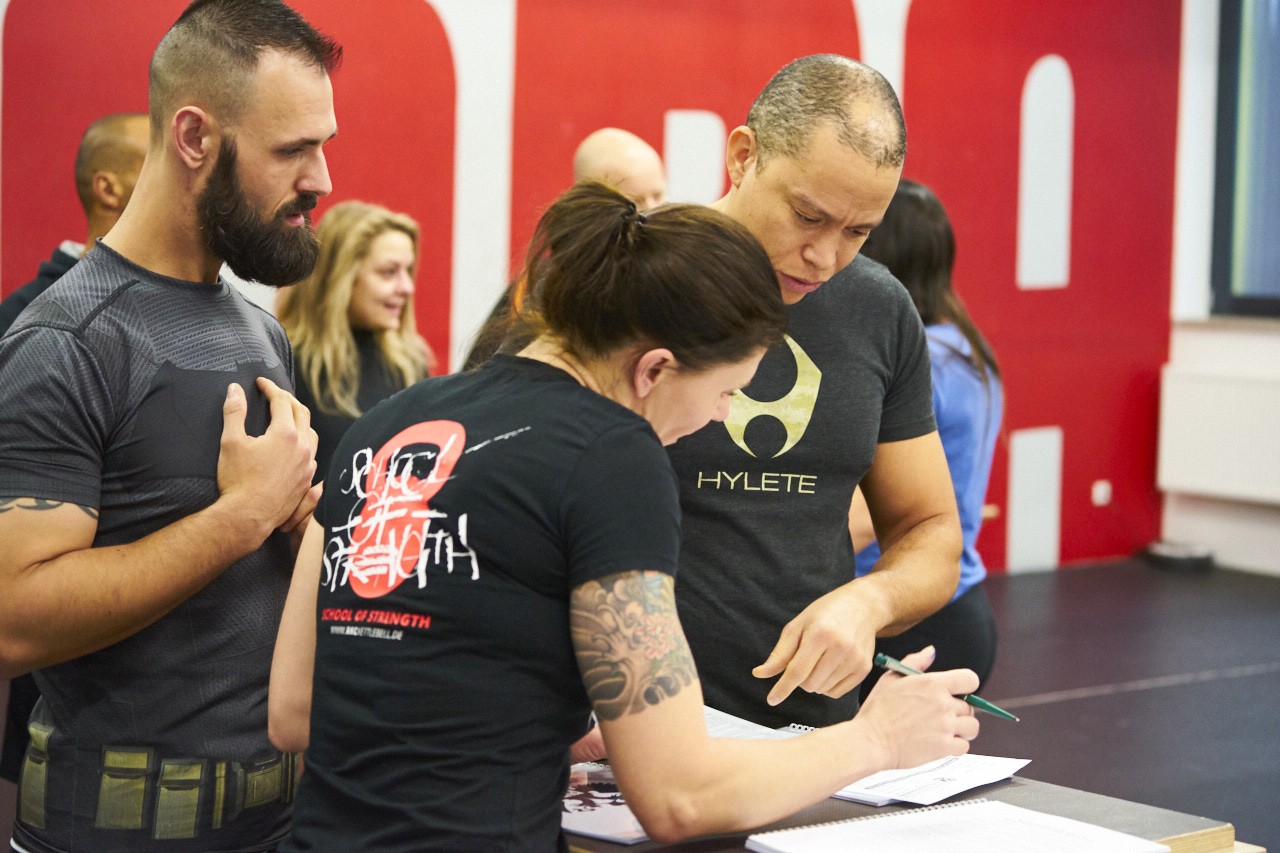
Selfdefensebox Cologne Selfdefensebox Cologne Selfdefensebox Cologne Selfdefensebox Cologne
Additional information
  • Who is the RKC D-License suitable for?

    Have you ever wondered why kettlebells play a minor role in so many gyms? They stand there – heavy and impressive – yet hardly anyone uses them. Why? Because kettlebell training looks simple at first glance, but the correct execution is anything but trivial. "Simple, but not easy." Customers without prior knowledge quickly reach their limits. At the same time, group classes (so-called Open Classes) are supposed to cater to everyone – from beginners to experienced athletes – even though neither leveling of technical knowledge nor group progression is possible.

    The RKC D-License gives you exactly the tools to elegantly resolve this apparent contradiction.

    The RKC D-License – Perfect for Dynamic Fitness Professionals

    Do you work in a lively studio environment? Do you want to harness the potential of kettlebells, even if your participants bring different fitness levels? Then the RKC D-License is just right for you.

    With this course, you will be ready for the open-class format, where your clients primarily seek one thing: a great training experience that is fun, challenging, and motivating.

    Your Customers – What Sets Them Apart

    • Fun and action are the focus: Your customers want to push themselves, feel success, and stay active – detailed technical training is not their top priority.
    • Regularly changing participants: You cannot rely on your groups to remain stable or work on progression in the long term.
    • Clear and safe instructions: Your customers depend on you to adapt exercises flexibly to guide them safely and effectively – regardless of their fitness level.

    Competency Profile – What You Can Do After the Training

    The RKC D-License makes you the key figure who finally brings kettlebells into the spotlight. After the training, you will be able to offer safe and effective kettlebell training for fitness groups – specifically in the open-class format.

    This means:

    • Adaptability: You recognize early when and how to modify exercises for different fitness levels.
    • Motivation instead of frustration: You create a positive and energetic workout experience, even for groups with mixed abilities.
    • Maximum safety: You guide your participants safely and recognize when someone needs support – even when they cannot assess their own limits.

    With the RKC D-License, you show gyms how kettlebells can revolutionize training. Get the kettlebells out of the corner – and take your classes to a new level!

  • What you will learn in the RKC D-License Certification

    Fundamental Kettlebell Exercises and Their Variations

    You will learn the technically sound execution of the most important kettlebell exercises that can be safely and effectively used in an "open class." These include:

    • Deadlifts
    • Cheat Clean
    • Loaded Carries (such as Farmer Walk, Rack Walk, Overhead Walk)
    • Push Exercises (e.g., Presses)
    • Rowing
    • Squats
    • Lunges

    The training also includes preparatory exercises and variations to adapt the techniques to different fitness levels.

    Positions: The Key to Good Technique

    An exercise execution is only as good as the starting position. In the workshop, you will learn the most important positions:

    • Farmer Position (for a secure stance and stability)
    • Rack Position (for push and pull exercises)
    • Overhead Position (for mobility and stability overhead)
    • Goblet Position (for squats and hold exercises)

    Specialties of the "Open Class" Concept

    The focus here is on kettlebell workouts that do not require much theory and long explanations. You will learn:

    • How to build kettlebell classes that are self-contained and do not require continuous group progression.
    • Which exercises and concepts are suitable for open fitness groups – and which are not.
    • How to keep your coaching cues concise, precise, and understandable ("don't over-explain!").

    Trainer Knowledge: Safety and Individualization

    Your participants should train safely and efficiently. Therefore, safety rules and individual adjustments are the focus. You will learn:

    • The most important safety rules for kettlebell training (e.g., controlled movements, criteria for stopping).
    • How to recognize weaknesses in your participants and adjust exercises progressively or regressively.

    Program Design for Kettlebell Groups

    A good training session needs structure. In the workshop, you will receive tools to design effective kettlebell workouts for groups:

    • Movement Matrix: A simple method to ensure that all important movement patterns (Push, Pull, Hinge, Squat, Loaded Carry) are covered.
    • Programming Template: You will learn how to plan a balanced kettlebell workout that is both effective and varied.
    • Practical Practice: In the final part of the workshop, you will create your own workout and lead it for the group – with directly applicable feedback from the workshop leader.
  • RKC D-License Strength Test

    RKC 100m Farmers Walk Test

    The candidate's task is to lift two equally heavy RKC kettlebells from the ground using a suitcase lift and carry them 100 meters in a farmers walk.
    The kettlebell size is determined based on the current body weight according to the official weight table.

    If the goal is not achieved, the following rules apply:

    • If one kettlebell is dropped or placed down uncontrollably, the test is considered failed.
    • The test may then be re-attempted no earlier than 8 weeks later.
    • If the test is controlled aborted, it may be repeated at the discretion of the workshop leader – possibly on the same or the next day.

    Technical Criteria (all must be met)

    ❒ Both kettlebells were controlled lifted with a suitcase lift.
    100 meters were completed in one go – without setting down.
    ❒ Both kettlebells were controlled placed down with a suitcase lift.
    ❒ The upper body remains straight.
    ❒ The head remains neutrally aligned.
    ❒ The shoulders remain packed throughout the entire walk.


    Examination Procedure in Person

    • During check-in, the body weight is measured; the weight measured on-site is binding.
    • The kettlebell size is assigned based on the weight table.
    • The exam route is determined by the workshop leader, total distance: at least 100 m.
    • Shortest segments: not less than 5 m.
    • Typical variations:
      • 10x (5 m + 5 m)
      • 5x (10 m + 10 m)
      • 4x (12.5 m + 12.5 m)
    • The examiner counts and communicates the completed rounds aloud.
    • Turning areas do not count towards the net distance.

    Procedure for Video Examination (Online or Submission)

    Participants of online workshops or submissions who did not complete the exam in the in-person workshop must document the practical exam via video.

    The following must be visible and verifiable:

    Weighing of body weight.
    Measuring the distance (e.g., with a measuring tape or laser measurement).
    Equipment used (ideally RKC kettlebells).
    Uninterrupted recording of the entire test – no video editing allowed.

    The video must be submitted no later than 90 days after the workshop.
    Recommended platforms: unlisted video on YouTube or Facebook – link sent via email to the workshop leader.

    If suitable kettlebells are not available, it is recommended:

    • To purchase kettlebells in advance through the RKC discount offer.
    • Or: Contact a certified RKC instructor nearby for assistance.

    Note: In exceptional cases, the test may also be completed with non-RKC kettlebells if:
    Both kettlebells are visibly weighed in the video.
    ❒ The video is not shared or published publicly.


    Alternative Strength Test (only with prior approval)

    Participants with medical restrictions may complete the alternative strength test "60 Seconds Hanging" with the consent of the workshop leader.

    Prerequisite: Early coordination (at least 2 weeks before the workshop).

    Test requirement:

    • 60 seconds of free hanging on a fixed pull-up bar.
    • No ground contact, no switching grips.
    • Grip: Overhand grip, grip width freely selectable.

    The alternative test is not an option, but a compensatory solution for medically justified special cases (e.g., hip dysplasia, neurological restrictions).

  • Gewichtstabelle für den RKC 100m Farmers Walk Test

    RKC 100m Farmers Walk Test

    Körpergewicht Kettlebell pro Hand
    (kg, ab) (kg)
    32 16
    36 18
    40 20
    44 22
    48 24
    52 26
    56 28
    60 30
    64 32
    72 36
    80 40
    88 44
    96 48
    120 60

    The table shows which kettlebell weight per hand should be used based on body weight. Body weight is measured before the test—usually during registration—and the appropriate weight is determined using the table below.

    In the Farmer's Walk test, the same kettlebell weight is used regardless of gender and age.

    For example: If someone weighs at least 80.0 kg but less than 88.0 kg, the test is conducted with two 40 kg kettlebells.